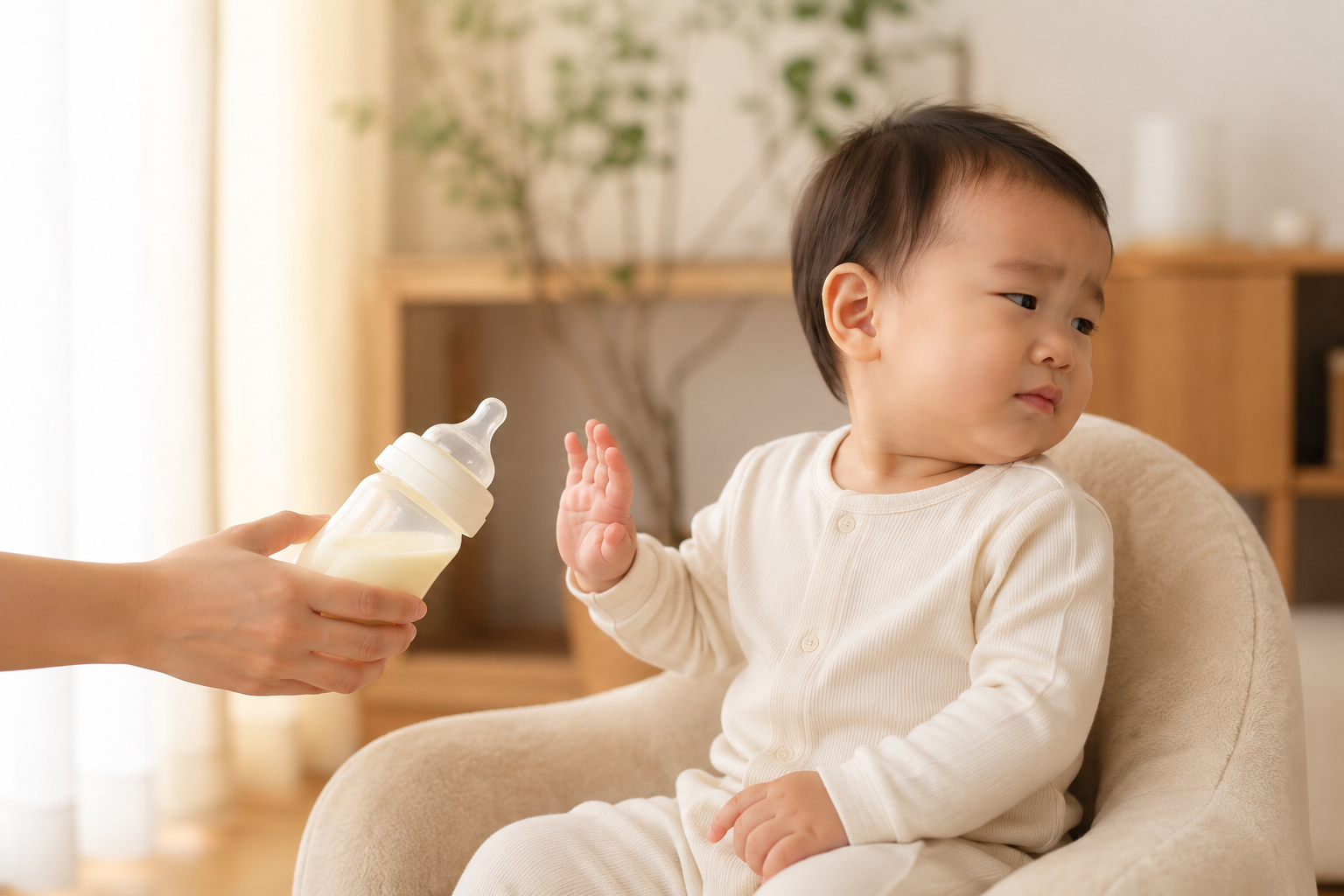
My baby isn't drinking their formula well: Why and what to do
We explain the potential reasons why your baby might be leaving formula behind, ranging from stomach upsets and nipple discomfort to the taste of the formula itself. Learn about the checklist for each situation and important factors to consider when switching formulas.
Breastfeeding Essentials: What Do You Need?
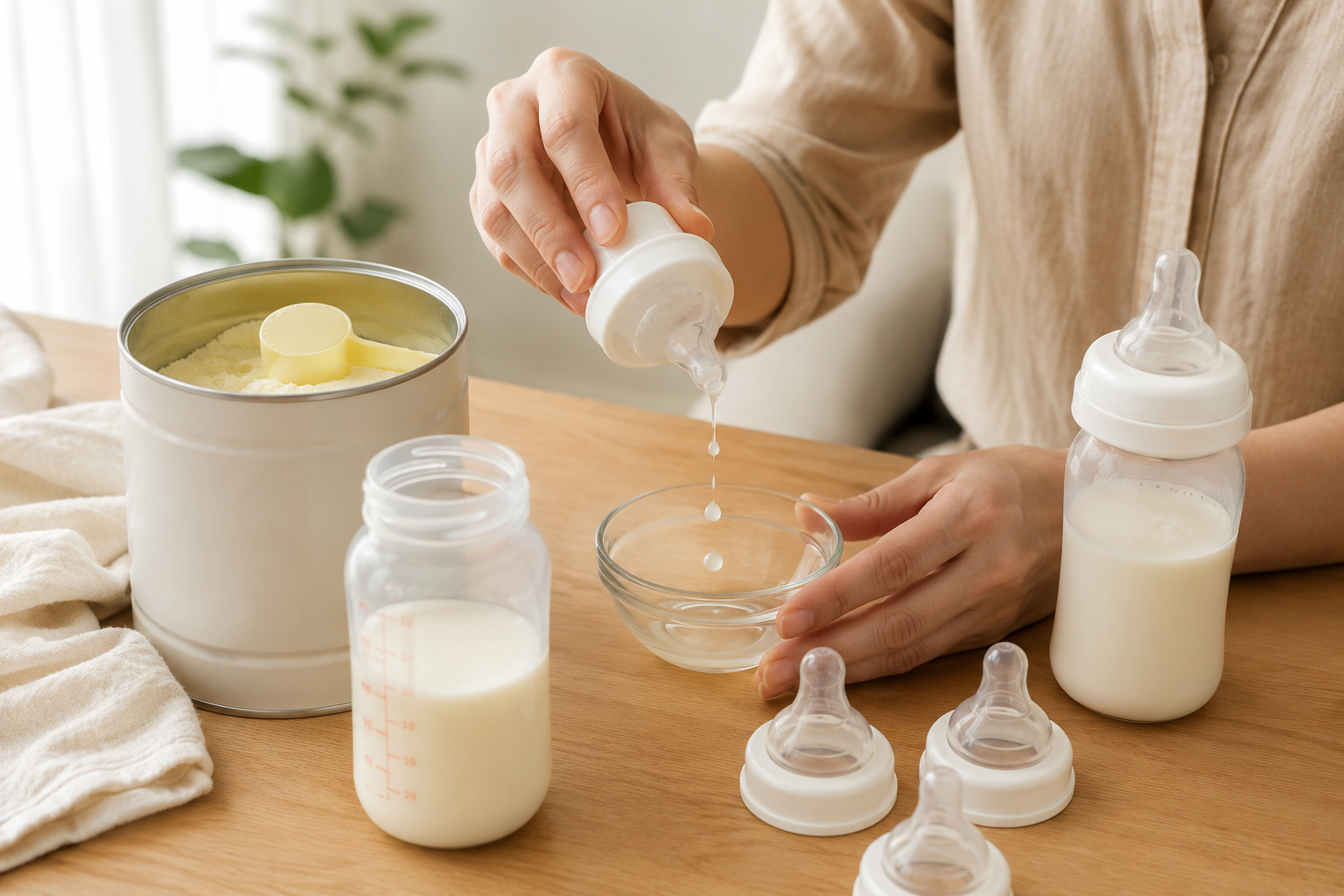
Breastfeeding supplies can be divided into tools that help moms nurse comfortably and those that care for your baby's health. We’ve put together a list of 9 essential items and how to prepare them. Be sure to check them off before your little one arrives.
The First Item to Consider: Breast Pump
You may need a breast pump as soon as your colostrum comes in after birth. Choose between electric and manual models depending on your situation. Electric pumps save time by allowing you to pump both sides simultaneously, while manual pumps are lightweight, quiet, and convenient for outings. If it's your first time, we recommend an electric breast pump that supports double pumping.
Essentials by Stage
Breastfeeding needs change over time—at 1 week, 1 month, and 3 months postpartum. Please refer to the table below.
Stage | Essential Items | Reason |
|---|---|---|
1 Week Postpartum | Breast pump, 2-3 nursing bras, breast pads | Colostrum feeding and stimulating milk supply |
1 Month Postpartum | Bottle set, bottle sterilizer, nursing pillow | Starting bottle use as feeding intervals lengthen |
3 Months Postpartum | Breast pump, airtight containers, nursing cover | Storing breast milk and nursing support for outings |
4 Things to Check When Preparing
Nursing Bras: Cotton, front-button styles are best. Since breast size can change after birth, choose 1 or 2 adjustable ones.
Breast Pads: Disposables are convenient, while washable ones are economical. Disposables are practical in the early stages when leaking is frequent.
Nipple Cream: Prepare a lanolin-based product in case of cracked nipples. These are safe for babies to ingest.
Nursing Pillow: C-shaped pillows are the most stable. They help align the baby's head height, reducing neck and shoulder pain for mom.
When to Consult a Specialist
Consult with your OB-GYN or pediatrician before giving birth to prepare for breastfeeding. You may need professional help with breast pump usage or breast care. You can also take advantage of free breastfeeding clinics offered by local health centers.
FAQ
Q1. Should I buy a breast pump before giving birth?
Yes, it's good to have it ready after 36 weeks so you can use it immediately after delivery. Check if your hospital offers rental services beforehand.
Q2. How many baby bottles do I need?
A minimum of 4–6 is recommended. Having extras on hand allows for sterilization time and makes managing the daily feeding cycle much easier.
Q3. How often should I change breast pads?
It's best to change them every 3–4 hours or whenever they get wet. Leaving them damp can increase the risk of bacterial growth.
Q4. Is a nursing cover absolutely necessary?
They are useful for outings but not strictly necessary at home. It’s helpful to have one for nursing in public spaces.
Summary
Breastfeeding essentials are tools designed for a comfortable nursing experience for both mom and baby. Make sure to keep a checklist of these 9 essential items before your due date.