Pros and Cons of Cloth Diapers and Washing Tips: A Guide for New Parents
We’ve put together everything you need to know about starting with cloth diapers—from pros and cons and different types to washing methods and how to use them alongside disposables. Find out how to start using cloth diapers in a way that fits your family's daily routine.
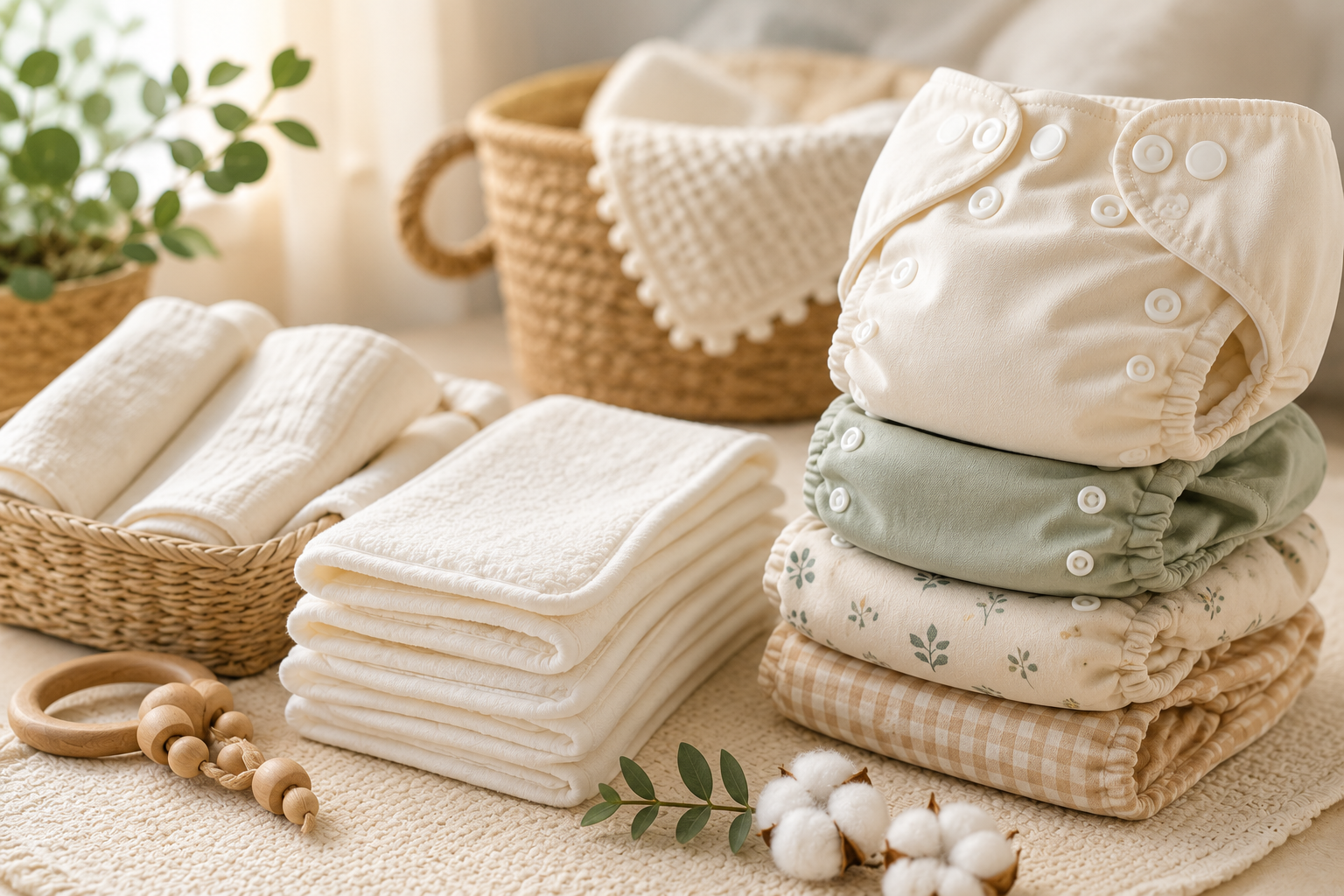
When preparing your baby's diaper bag, you likely find yourself considering cloth diapers at least once. While they seem gentler on baby’s skin and better for the environment than disposables, common worries like "Will laundry be too much work?" or "Can I really use these when we go out?" often pop up.
Cloth diapers can be a wonderful choice if they fit your family’s lifestyle, but they aren't the best fit for everyone. It’s a good idea to look at the pros and cons first, then try them out partially according to your home's routine.
What Are Cloth Diapers?
Cloth diapers are made from fabrics like cotton, gauze, bamboo, or microfiber that can be washed and reused. While some parents still use the traditional method of folding large cloths, many modern options include waterproof covers and absorbent pads used together.
The main types are categorized as follows:
Type | Features | Advantages |
|---|---|---|
Flat/Prefold | Large cloths folded for use | Dries quickly and highly versatile |
Contoured/Peanut-shaped | Shaped to fit a baby's bottom | Relatively easy to put on |
Pocket Diapers | Absorbent pads inserted into a waterproof cover | Easy to use, similar to disposables |
All-in-One (AIO) | Cover and absorbent layer are attached | Very convenient, but may have longer drying times |
Rather than committing to one type from the start, try out a few pieces to see which style works best for both you and your baby.
The Benefits of Cloth Diapers
1. Reduces Waste
Since disposable diapers are used multiple times a day, the amount of waste adds up quickly. Because cloth diapers are washed and reused, they help significantly reduce diaper waste.
If you spend a lot of time at home, starting with cloth diapers just during the day can greatly lighten your environmental footprint.
2. More Frequent Skin Checks
Cloth diapers tend to feel wet faster than disposables. This naturally leads parents to check the diaper more often, allowing you to monitor your baby’s bowel patterns and skin condition more closely.
3. Long-term Cost Savings
While there is an initial cost to purchasing enough cloth diapers to start, they can be used repeatedly after laundry. If you are planning for a second child or intend to use them long-term, they can be very cost-effective.
The Challenges of Cloth Diapers
1. Laundry and Drying
The most demanding part of using cloth diapers is the laundry. While wet diapers are fairly simple to handle, soiled diapers may require pre-rinsing or scrubbing.
During rainy seasons or winter, drying can take a long time. You must ensure they are completely dry to prevent odors or bacteria growth.
2. Inconvenience When Going Out
When using cloth diapers outside the home, you have to bring the used diapers back with you. This requires waterproof wet bags, and you'll need to manage the odor and extra bulk in your bag.
Because of this, many parents use cloth diapers at home but stick to disposables for outings or overnight sleep.
3. Frequent Changes Required
Cloth diapers aren't designed to hold moisture as long as disposables. If a baby’s skin stays wet for too long, diaper rash can occur, so it’s important to change them immediately once they are wet.
During the newborn stage when feeding and bowel movements are frequent, you may need more diapers per day than expected.
When Should I Start Using Cloth Diapers?
You can use them from birth, but instead of switching completely, try starting with 1–2 cloth diapers during the daytime.
For new parents, the early weeks involve postpartum recovery, breastfeeding adjustments, and sleep deprivation. Taking on a mountain of diaper laundry too soon can lead to burnout.
Try starting like this:
Use them only during the day
Switch to cloth for "pee" diapers first
Use disposables for night sleep and outings
Increase usage time as you observe your baby's skin reaction
Scale up once you are comfortable with the laundry routine
It’s more realistic to view cloth diapers as a part of your toolkit rather than an "all or nothing" commitment.
How to Wash Cloth Diapers
The washing and drying process is key. Proper cleaning and thorough drying are essential to minimize odors and skin irritation.
1. Store Used Diapers Separately
Wet diapers can be lightly rinsed and stored in a ventilated basket or a wet bag. For soiled diapers, it's best to remove waste and pre-wash them before storing.
To prevent odors and stains, try to wash them within a day if possible.
2. Use the Right Amount of Detergent
Even with baby-safe detergents, using too much can leave residue on the fabric. Residual soap can cause odors or skin irritation, so stick to the recommended amount.
It is best to avoid fabric softeners as they can reduce the absorbency of the fabric.
3. Rinse Well and Dry Completely
Rinse thoroughly to ensure no detergent remains, and dry them completely in sunlight or a well-ventilated area.
Storing diapers while they are still slightly damp can lead to smells or mold.
Precautions for Using Cloth Diapers
When using cloth diapers, your baby's skin health should be the top priority. Even if a material is eco-friendly or gentle, it may not suit every baby.
Adjust your usage if you encounter the following situations:
Situation | What to Check | Solution |
|---|---|---|
Redness on bottom | Was the baby wet for too long? | Change more frequently; mix with disposables |
Odors | Detergent residue or improper drying | Add extra rinse cycles; dry completely |
Leaking | Fit or amount of absorbent padding | Add more pads; adjust cover size |
Laundry is overwhelming | Does the volume fit your lifestyle? | Use only during the day or on weekends |
Is It Okay to Use Them with Disposables?
Of course! Using cloth diapers doesn't mean you have to quit disposables entirely. In fact, many families find success with a hybrid approach.
Cloth diapers at home
Disposables for outings
High-absorbency disposables for nighttime
Taking a break when the baby’s skin is extra sensitive
Splitting usage based on the situation makes the process much more manageable.
When It’s Okay to Take a Break
No matter how good cloth diapers are, they won't last if the parents are exhausted. It is perfectly fine to take a break during these times:
During early postpartum recovery
Before a steady feeding rhythm is established
During humid seasons when drying is difficult
If the baby has a severe diaper rash
When the laundry pile becomes a source of stress
Cloth diapering is just one of many choices in parenting, not the "only" right way. Instead of striving for perfection, use them as much as your family can comfortably handle.
Frequently Asked Questions
Q1. How many cloth diapers should I prepare?
Start with 5–10 diapers rather than buying a large stock. Use them during the day first, and if you find the laundry routine manageable, you can always add more later.
If you plan to use them exclusively, you'll need a larger supply based on daily usage and your laundry frequency.
Q2. Do cloth diapers reduce diaper rash?
It depends on the baby. While cloth diapers help you monitor skin more often, leaving a baby in a wet cloth diaper can actually cause rash. If rash persists, check the change frequency, laundry cleanliness, and whether the skin is being dried properly before putting a new one on.
Q3. Can I use cloth diapers at night?
You can, but cloth diapers may lack the absorbency needed for long stretches, leading to more frequent wake-ups for changes. Many find it easier to start with daytime use and stick to disposables at night.
Q4. Can I use fabric softener for cloth diapers?
It is recommended to avoid it. Softener can leave a coating on the fabric that reduces absorbency and may irritate sensitive skin.
Q5. Can I use cloth diapers on outings?
It’s possible, but you’ll need a waterproof wet bag for used diapers. Since they can be bulky and carry odors, many parents prefer disposables for long days out. Find the balance that works for your home!