Sleeping through the night for newborns: when is it possible? A guide to sleep training
When do newborns start sleeping through the night? Key takeaways from starting at 3–6 months, sleep training methods, milestones by month, to sleep disruptors. A must-read for tired parents.
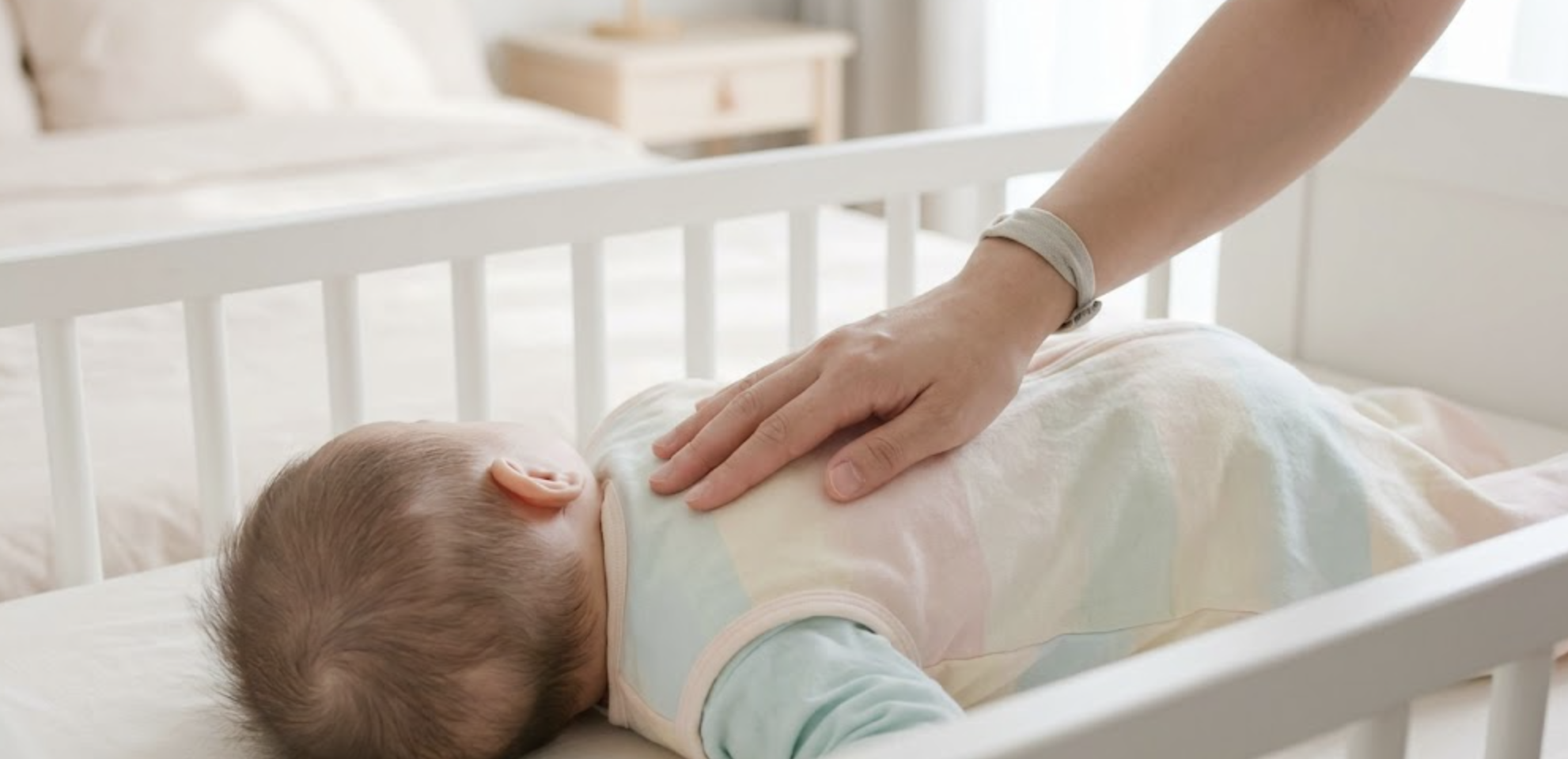
Are you wondering when your baby will finally start sleeping through the night? For all the tired parents out there, Babyfolio explains when infants typically start sleeping through the night and the essentials of sleep training.
When Babies Start Sleeping Through the Night
Most babies begin to sleep through the night between 3 and 6 months of age. Newborns have small stomachs and often wake every 2 to 3 hours to feed, so sleeping straight through the night is usually difficult in the early weeks. From around 3 months, the intervals between night feedings tend to lengthen, and by 6 months many babies sleep for more than 5 to 6 hours at a time. The American Academy of Pediatrics (AAP) also notes that night feedings are needed early on and that nighttime sleep gradually lengthens as babies grow, and pediatric guidance generally sees night feedings easing from around 3 to 6 months for many babies.
Around what age does sleeping through the night usually settle in?
Newborn Stage, 0–3 months: babies often wake every 2 to 3 hours to feed rather than sleeping through, and that is common at this age. Their stomachs are small, so frequent feeding — including at night — is natural. Sleeping for more than 4 hours at night is a relatively long stretch for this stage.
3–6 Months: Night feedings usually decrease to 1–2 times, and babies can sleep for 5–6 consecutive hours. You can begin gentle sleep training during this period.
6–12 Months: Babies can sleep for 10–12 hours at night. This is when sleeping through the night becomes more stable, though teething or other variables may cause them to wake.
What to check when your baby keeps waking at night
Start sleep training when your baby is healthy and full. It’s best to delay it if they have just been vaccinated or are feeling unwell.
Help your baby distinguish between day and night with a consistent bedtime routine (bath, reading a book, lullaby).
When your baby cries, try waiting 5–10 minutes before picking them up to help them practice self-soothing.
Many parents notice that a baby who used to wake at 2 and 5 a.m. eventually settles into waking just once. Jotting down the wake times and feeding amounts for a few days often reveals your baby’s own pattern, such as “lately she wakes once around 4 a.m.” Logging wake times and feeding amounts in an app like Babyfolio makes these patterns easy to see at a glance. Once you know the pattern, you can ease off night feedings gradually in step with your baby’s readiness rather than stopping abruptly.
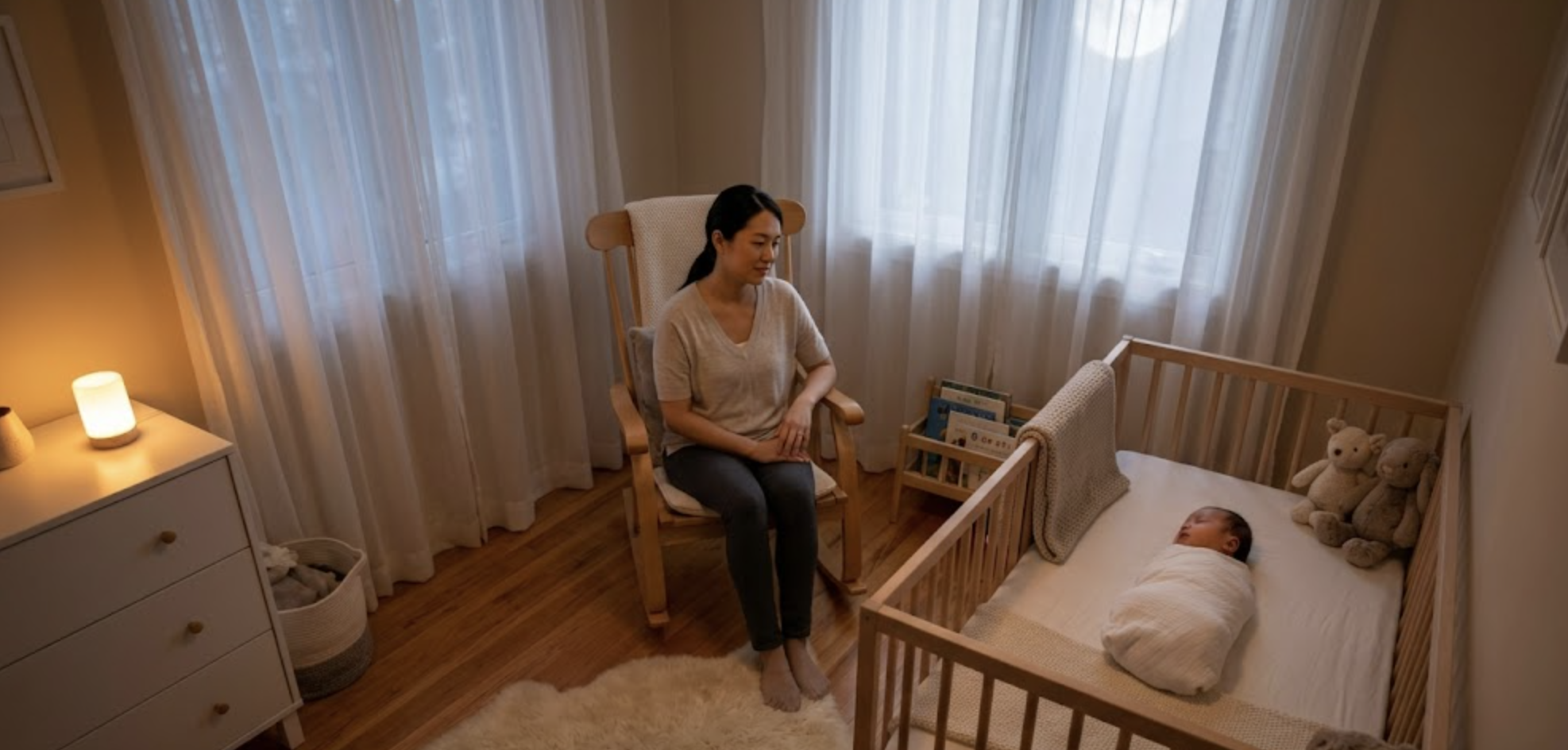
Table 1: Sleep Duration by Age (Reference)
Age | Total Sleep Time | Night Sleep Time |
|---|---|---|
Newborn | 14–17 hours | 8–9 hours (broken by 2–3 feedings) |
3–6 Months | 12–15 hours | 9–10 hours (1–2 feedings) |
6–12 Months | 12–14 hours | 10–12 hours (possible without feedings) |
Table 2: Comparison of Sleep Training Methods
Method | Characteristics | Cautions |
|---|---|---|
Ferber Method | Checking the baby after set intervals of crying | Requires parental patience; recommended after 6 months |
Sleep Signal Method | Putting the baby down at the first signs of sleepiness | Can be applied from 3–4 months |
Camping Out | Gradually moving further away from the crib | Provides a sense of security but takes time |
Table 3: Factors Interfering with Deep Sleep
No | Factor | What to Check |
|---|---|---|
1 | Diaper Discomfort | Fresh diaper before bed; check for leaks |
2 | Temp / Humidity | Maintain 20–22°C (68–72°F) and 50–60% humidity |
3 | Teething | Check for swollen gums or drooling; use cold compresses |
When to check in with your pediatrician
If your baby is older than 12 months and still wakes more than 3 times a night, or cannot sleep for more than 5 hours without a feeding, consider visiting a pediatrician or a sleep clinic. Personalized advice tailored to your baby's growth stage can be very helpful.
Frequently asked questions
Q: Should I avoid waking my baby up at night to encourage sleeping through?
A: For newborns, it is best to wake and feed them if they sleep for more than 4 hours. After 6 months, if their weight gain is normal, there is no need to wake them purposely.Q: I missed the window to start sleep training.
A: Don't worry. You can still train your baby after 12 months. Start now with a consistent routine and positive reinforcement.Q: Is it okay to leave my baby crying without picking them up?
A: Before 4 months, picking them up immediately is better for healthy attachment. Trial sleep training after 5 to 6 months.Q: Should I stop if my baby cries intensely during sleep training?
A: If they cry for more than 10–15 minutes or their breathing becomes irregular, stop and comfort them. Adjusting the method to your baby's temperament is key.

Sleeping through the night typically begins between 3 and 6 months. Proceed with sleep training using a consistent routine and plenty of patience. Every baby grows at their own pace. 🌙