Taking the KTX With Your Baby: How to Choose Seats and Facilities the Easy Way | From Family Seating to Nursing Room Locations
Wondering which seat to book to make taking the KTX with your baby easier? We cover what family seating is, the difference between holding a child for free and a child-with-guardian seat, and how to check the location of the nursing room, diaper-changing table, and power outlets in advance on the KorailTalk seat map. One good seat makes the whole trip much smoother.
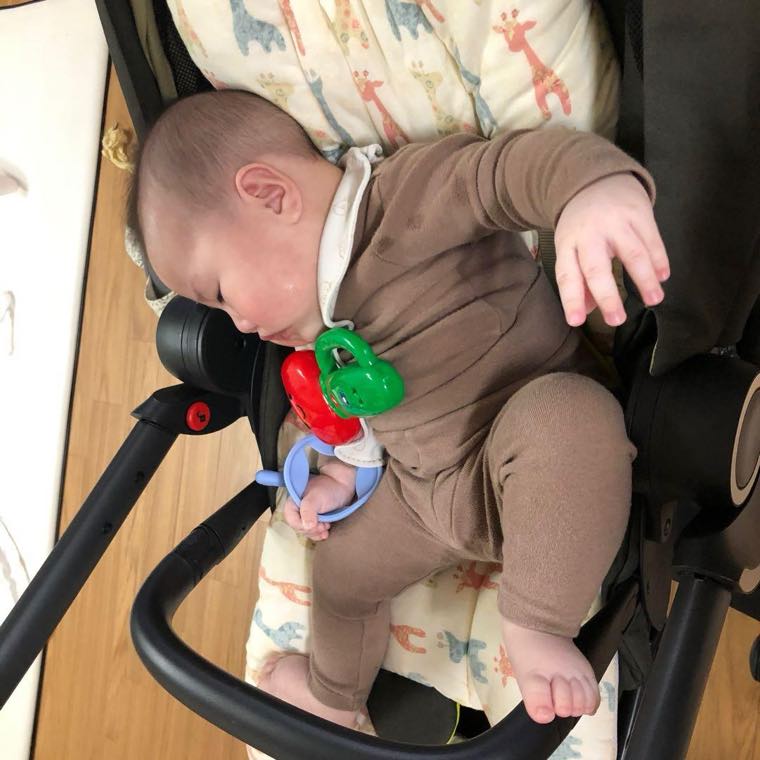
When you're about to take the KTX with your baby for the first time — for a holiday trip or a getaway — you often hesitate for a while in front of the booking screen. What about the stares if the baby cries, where do you change a diaper, is there warm water for formula and a power outlet? Choose one wrong seat and two hours can feel twice as long.
Here's the bottom line first: a comfortable trip is almost decided the moment you book your seat. The seats that work well with a baby fall into three kinds: the family seating area, where everyone is less sensitive to a baby's sounds; a car close to the nursing room and diaper-changing table; and a row close to a power outlet and the restroom. Check these three in advance on the KorailTalk seat map before you grab a seat, and you'll cut way down on scrambling once you're on board.
One thing to note up front. Numbers like which car the nursing room is in differ by train type (KTX, KTX-Sancheon, KTX-Eum, KTX-Cheongryong) and can change with the specific formation. So instead of memorizing "which car," this article focuses on how to check for yourself on the seat map when you book.
What is family seating? Can you ride it without a baby?
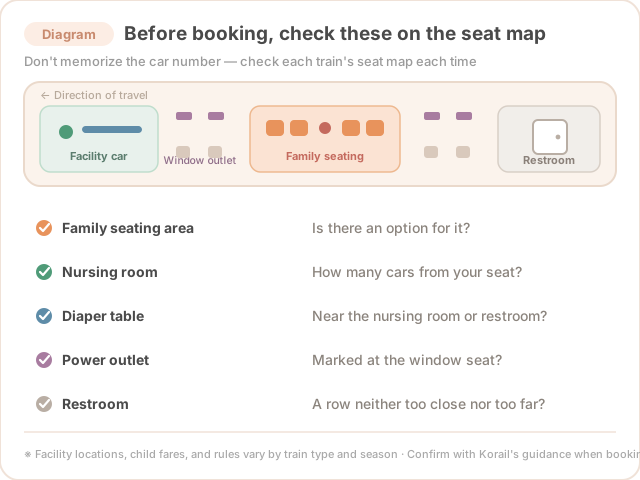
Family seating (the family seating area) is a seat zone designed with consideration for passengers traveling with a young baby. The atmosphere is less sensitive to conversation and baby sounds than in the regular cars, so it's a seat where you can travel with less anxiety even when your baby fusses.
Many people wonder, "Can adults ride it without a baby?" As the name says, it's a seat for passengers traveling with a young child. Eligibility and the finer rules can change from time to time, so it's good to check Korail's guidance when you book. Among parents who've actually ridden with a baby, it's a seat with many reviews saying, "It was nice not to feel so self-conscious even when the baby cried."
Booking isn't hard. On the KorailTalk app or website, pick your train, date, and route, then choose the family seating option under seat options. Just note that there aren't many of these seats, so popular routes fill up fast. They may not be left close to departure, so once your plans are set, it's more reassuring to grab one a little early.
Do babies ride free, or do you need a separate seat?
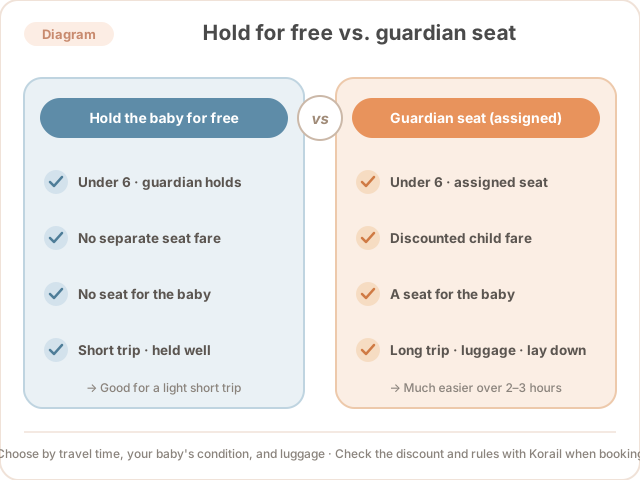
The most confusing part is the fare. A child under 6 doesn't need a separate seat fare if a guardian holds them on their lap. In return, you travel without a seat of the baby's own.
If you'd like to give your baby a separate seat, then you book a child-with-guardian seat. It's a way of assigning a seat at a discounted child fare, but the size of the discount and the conditions can differ by train type and season, so it's most accurate to check on the booking screen. For a long trip where you have a lot of luggage or want to bring your baby comfortably enough to lay them down, securing an extra seat can be far easier.
So "hold them or give them a seat" is something you decide by looking at travel time and your baby's condition. For a short stretch where your baby settles well in your arms, hold them for free; for a distance over two or three hours, or when you're carrying luggage and a baby carrier too, set aside a separate seat.
| Holding them for free | Child-with-guardian seat (assigned) | |
|---|---|---|
| Who | Child under 6 | Child under 6 |
| Fare | No separate seat fare | Discounted child fare (check the discount when booking) |
| Seat | No seat for the baby (guardian holds them) | A seat is assigned for the baby |
| Good when | Short stretch, baby settles well when held | Long distance, lots of luggage, want to lay the baby down |
How do you find the nursing room and diaper table in advance?
This is the heart of the article. There are only a few nursing rooms and diaper-changing tables per train formation. They aren't in every car, so if you sit far from the facilities, you'll have to carry your baby through swaying aisles across several cars.
There's only one method. When you book, look at the location of the nursing room and diaper-changing table on the KorailTalk seat map first, and grab a seat near them. KorailTalk also has a preview (VR) feature that lets you look around the cabin in advance alongside the seat map, so you can see with your own eyes where the restroom, vending machine, and nursing room roughly are. Don't search on the spot — the trick is to settle it the moment you pick your seat.
As mentioned, memorizing "the nursing room is in car number so-and-so" doesn't mean much. Regular KTX, KTX-Sancheon, and KTX-Eum all differ, and even within Sancheon, the family-seating location can vary between older and newer models. So the surest habit is to check the seat map of the very train you're taking, each time.
Choosing a seat near an outlet and the restroom, like this
Once you've settled on a car with facilities, it's time to choose a more comfortable row within it. There are three things worth looking at when riding with a baby.
1. A row with a power outlet
Bottle warmer, phone, tablet — traveling with a baby, you have a lot to charge. On the KTX, some window-side rows often have outlets, but the location varies slightly by train. Choose a window seat marked with an outlet on the seat map, and you can ease battery worries throughout the trip.
2. A row close to the restroom and facilities
To change a diaper or step out briefly to soothe your baby, a row at the end of a car near the facilities is convenient. Restrooms tend to be toward the front of even-numbered cars and the rear of odd-numbered cars, but this too differs by train, so check the seat map. Right in front of the restroom door, people come and go often and can wake the baby, so a seat a row or two away is a safe bet.
3. A row good for a stroller and luggage
If you have a stroller or a large bag, the very front or very back row of the car is good. It's easy to use the luggage space behind the seats or the extra room at the end of the car, and easy to get in and out through the aisle. A folding stroller can be folded and placed on the luggage rack or under the seat.
Just check these before you book
Before you tap a seat, scan through the items below once on the seat map. A perfect seat that has it all is rare, but matching even two or three in order of what's most urgent for your baby makes the trip much smoother.
| What to check | What to look for on the seat map |
|---|---|
| Family seating available | Whether there's a family-seating option under seat options |
| Nursing room location | How many cars away it is from your seat |
| Diaper-changing table | Whether it's near the nursing room or restroom |
| Power outlet | Whether the window seat is marked with an outlet |
| Restroom | A row that's neither too close nor too far |
| Luggage/stroller space | Whether it's a front or end row of the car |
Choosing your train to match nap time makes it easier
Something that makes a surprisingly big difference is your departure time. If you take a train timed to when your baby usually naps, they drift off with the swaying and can spend a good part of the trip asleep. Avoiding an overlap with the time they get fussy from hunger is another approach.
For that, you need to know your baby's rhythm — roughly when they sleep and when they eat — but memory gets hazy in just a few days. Leaving feeding and sleep times in a logging app like Babyfolio brings your baby's daily pattern into view, which is handy for reference when choosing your departure on travel day. You can't match it perfectly, but even knowing the rough rhythm makes the train ride far more peaceful.
If you're at a loss for how to pack before you leave, the baby travel packing checklist is a helpful read alongside this. Even with a well-chosen seat, missing diapers, a change of clothes, or snacks means trouble in the end.
Frequently asked questions
The family seating is sold out. Is it okay to ride in a regular seat with my baby?
Yes, you can ride with your baby in regular seats too. Family seating is just a considerate zone — it's not that you may only ride with a baby there. That said, in a quiet regular car, stepping out to the aisle or the end of the car briefly to soothe your baby when they fuss is easier for everyone. When choosing a seat here too, it's good to grab a car close to the facilities.
Where do I get warm water to make formula on the train?
There isn't always a water heater on the train, so many parents bring hot water in a thermos in advance. If the train has a café car, you may be able to get help there, but facilities differ by train, so it's more reassuring to prepare ahead.
My baby keeps crying and I feel bad for the people around us. What do I do?
Stepping out briefly to the aisle between cars or the space by the doors and rocking your baby while holding them calms the baby and eases the stares. Preparing a favorite toy or snack, or one video they can watch quietly, in advance helps too. In family seating, moments like these feel much lighter.
My child is almost 6 — is it okay to hold them for free?
The standard for holding a child for free is generally under 6. As a child grows, sitting on your lap for long gets harder, so at this age it's often more comfortable for everyone to take a seat for them. The age standard and discounts can change, so check when you book.
To wrap up
A trip on the KTX with your baby is half decided the moment you choose your seat. The family seating that's less sensitive to a baby's sounds, the hold-for-free vs. child-with-guardian seat you decide by travel time and luggage, and the location of the nursing room, diaper-changing table, power outlet, and restroom you find in advance on the KorailTalk seat map. Just line up these few things when you book, and a two-hour trip feels much lighter.
There's one thing to remember: don't memorize "which car" — check the seat map of the very train you're taking, each time. Fares and rules can change from time to time too, so taking another look at Korail's guidance on the booking screen is reassuring. May one good seat make your first train trip with your baby a little more of a happy memory.