Baby blankets and bumpers: safe-sleep principles for keeping warm
Why blankets, bumpers, and overheating are risky for a baby between seasons, the 5 principles of infant safe sleep, and safe ways to keep a baby warm without a blanket.
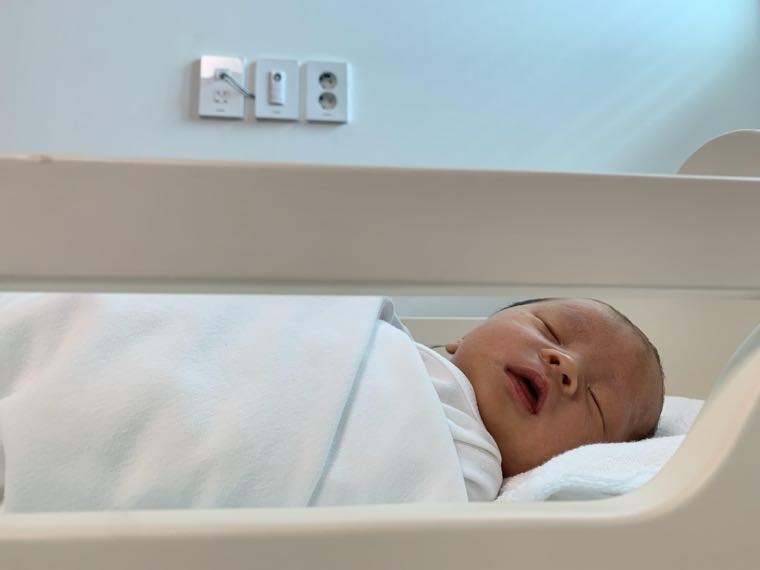
When the season turns and night temperatures drop sharply, seeing your baby sleep in just a thin bodysuit leaves you uneasy. Worried about a cold, you want to drape a cozy blanket; worried about a bumped head, you want to wrap a bumper around the crib. It all comes from caring for the baby, but in fact several of these familiar ways of keeping warm can instead be a risk to a baby.
Here's the core first. The safest state in the sleep space of a baby under one year is laid on the back, face up, on a firm, flat surface, with the space cleared and empty. Clear away blankets, pillows, bumpers, and stuffed toys as much as possible, and avoid bundling thickly and overheating. The worry about cold can be solved by other means, not a blanket.
This isn't meant to scare you. We'll go through, one by one, what's risky and what to do instead. The principles below are based on guidance recommended by official health authorities.
Why is safe sleep this important?
Babies under one year, especially in the first few months, are vulnerable to accidents caused by the sleep environment. The main ones are sudden infant death syndrome (SIDS) and suffocation within the sleep space. It's because they can't yet freely hold up their head or push away something covering their face on their own.
So safe sleep is less a "nice-to-have tip" than a "baseline environment to keep." Just changing the position the baby sleeps in, the surface, and what's around can substantially reduce the risk.
This is exactly why between-season care needs extra attention. In the wish to keep warm, piling on layers of blankets, adding a sleepsuit over an undershirt, and heating the room can tip things toward overheating and suffocation risk rather than warmth. Babies regulate body temperature less well than adults and are sensitive to heat too.
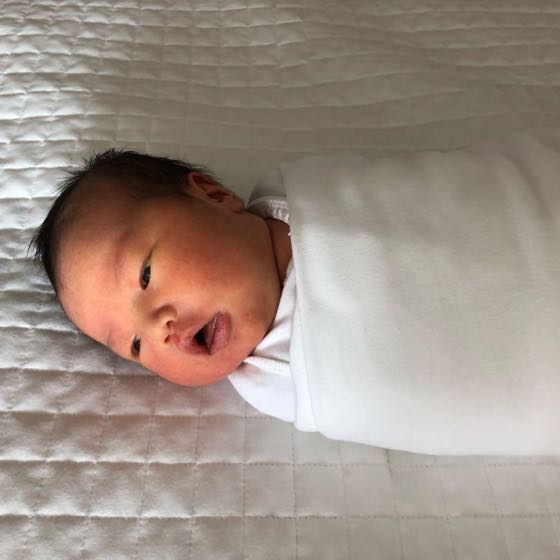
What's risky in a baby's sleep space
Let's start with what to clear away, the things best kept out of the space where your baby sleeps.
- Blankets and throws: If they cover the face or wrap around the body, there's suffocation and overheating risk. A baby can also burrow into a blanket while turning.
- Pillows: A baby doesn't need a pillow. It can be dangerous if the head sinks in.
- Bumpers (crib-edge cushions): They seem to protect the head, but they're not recommended because of suffocation risk from a face pressed against them and the risk of getting wedged in a gap.
- Stuffed toys, cushions, positioning cushions: Soft items can cover the face, so it's best not to keep them in the sleep space.
- Bundling thickly: Layering many layers or covering up to the face overheats easily.
There are also things to avoid regarding position.
- Tummy sleeping and side sleeping: Prone or on the side raises the risk. Always laying the baby on their back, face up, is the rule.
- Incline sleeping and raising the upper body: Raising the upper body or tilting to reduce a stuffy nose or reflux is not recommended. If the body slides and the posture collapses, it can instead become dangerous.
Looking at this list alone, you may feel it's bare, "so I can't do anything for them?" But clearing the sleep space isn't neglect; it's active care that creates the state in which a baby can sleep most safely.
The 5 safe-sleep principles at a glance
We've distilled the core of safe sleep that official bodies commonly recommend into five. Just keeping each one makes the sleep environment far safer.
| Principle | How to do it |
|---|---|
| Sleep on the back | For naps and night sleep alike, always lay the baby on their back, face up. Don't put them down on the side or on the tummy. |
| Firm, flat surface | Sleep on a firm, flat surface like a baby mattress. Avoid sleeping on soft sofas or cushions. |
| Clear the sleep space | Keep the sleep space empty, without blankets, pillows, bumpers, stuffed toys, or cushions. |
| No overheating | Don't make the room too warm or bundle thickly. Always keep the face uncovered. |
| Same room, separate sleep space | Sleep in the same room, but set up the baby's own separate sleep space rather than an adult bed. |
"Same room, separate sleep space" is especially easy to confuse. It means letting you watch over the baby in the same room, while not laying them together in an adult bed with adult blankets and pillows. Placing a crib or a baby sleep space close to the parents' bed is closer to safe.
So how do you keep them warm?
Being told to clear the blanket makes you worry all the more about cold. Fortunately, there are ways to keep a baby warm without a blanket. The key is "wearing" instead of "draping," and keeping the room at a suitable temperature.
- Use a sleep sack (wearable blanket). Rather than draping like a blanket, it's worn on the body, so there's less worry about covering the face. It's the best alternative to a blanket. How to choose and use one is covered separately in how to choose and use a sleep sack.
- Dress in thin layers. Rather than one thick garment, dressing in several thin layers and adjusting one at a time as needed is better for preventing overheating.
- Set the room temperature. Keeping the room itself at a suitable temperature for the baby means you don't need to cover thickly. If you're wondering about suitable indoor temperature and humidity by age, see baby night-sleep temperature and humidity guidelines.
To check whether a baby is too warm, feeling the chest, back, or nape is more accurate than the hands and feet, which are often naturally a bit cool. A damp or sweaty back, a flushed face, or breathing that looks rapid can be a sign of being too warm. In that case, take off a layer and lower the room temperature.
Are bumpers and crib accessories really necessary?
To put it plainly, bumpers are not recommended. The edge cushions in prettily styled crib photos feel familiar, like "something you should have," but in terms of safety the harm outweighs the benefit.
The usual reason for a bumper is to stop the head bumping the crib slats. In reality, though, the risk of suffocation from the baby's face pressed against the cushion, or of the body getting wedged in the gap between cushion and crib, is said to be greater. That's a far more dangerous situation than a light bump to the head.
Crib mobiles, decorations, and large comfort toys that fill the sleep space are similar. For the sleeping space at least, put safety before prettiness and keep it as empty as possible. Move the wish to decorate to the space where the baby is awake and playing.
Even with a stuffy nose or reflux, avoid incline sleeping
The urge to raise the upper body when the nose is stuffy or they keep spitting up, we truly understand it. But raising the upper body or tilting on an incline because of a stuffy nose or reflux is not recommended. If the baby slides in their sleep, the posture collapses and it can instead become dangerous. Here too the principle is the same: on the back, flat.
Instead, you can try this.
- Stuffy nose: Before sleep, put in a drop or two of saline to moisten the nasal passages, and if needed, gently clear it with a nasal aspirator. Keeping the room humidity moderate can also help.
- Reflux: After feeding, burp thoroughly, hold upright briefly to settle, then lay down. When you lay them down, keep it flat and on the back, not with the upper body raised.
Placing a particular sleep aid or positioning cushion in the sleep space in the belief that it solves these problems also needs caution. Unverified devices can instead conflict with safe-sleep principles.
When to see a doctor
Safe sleep is prevention by changing the environment; the signs below are situations that need medical care. When in doubt, don't delay, get help from a pediatrician.
- Struggling to breathe, or breathing that looks unusually fast and labored
- Lips or complexion that look pale or blue
- Fever, or not feeding well and being limp
- Spitting up that repeats or is severe, and weight not gaining well
- A stuffy nose that lingers and greatly disrupts feeding or sleep
Unusual breathing or a change in complexion, in particular, is a sign that needs prompt care. If it feels different from usual, trust a parent's instinct and have it checked.
Frequently asked questions
From when is it okay to use a blanket?
Generally, starting cautiously from after the first birthday, while watching how things go, is often suggested. Still, development and movement differ from baby to baby, so it's hard to state flatly. When deciding timing, judging in consultation with a pediatrician is safer. Until then, a sleep sack is a safer alternative to a blanket.
Until when can I swaddle?
Once the baby starts trying to roll, it's best to stop swaddling. Rolling with the arms wrapped makes it hard to change position on their own, which can be dangerous. When rolling signs appear, switch to a form that frees the arms, or stop.
What if the baby rolls onto their tummy on their own while sleeping?
Always put them down on their back. That said, once a baby has grown enough to roll over and back on their own, rolling onto the tummy by themselves often doesn't need to be reversed each time. Instead, at this stage it's important to keep the sleep space cleared even more thoroughly.
Do I keep the same rules for naps?
Yes, naps are the same as night sleep. Rather than laying them on a sofa or a soft spot or draping a blanket just because it's a short nap, put the baby down on their back in the same safe sleep space as at night.
To wrap up
Handle between-season warmth by other means, not a blanket. Just remember three core things.
- Put them down on the back, on a firm flat surface, with the sleep space cleared.
- Dress them in a sleep sack instead of a blanket, and set the room to a suitable temperature.
- Avoid overheating and incline sleeping, and for a stuffy nose or reflux, keep them on the back and flat while helping with methods like saline and aspiration.
Love for a baby tends to reach for familiar ways of keeping warm, but in the sleep space, keeping it clear may be the greater love. Tonight, start by taking a look at the crib.