Newborn Hiccups: How to Gently Help Them Stop
Is your newborn hiccupping a lot? Here's why it happens, how to gently help it stop at home, ways to prevent it, and the signs that mean you should see a doctor.
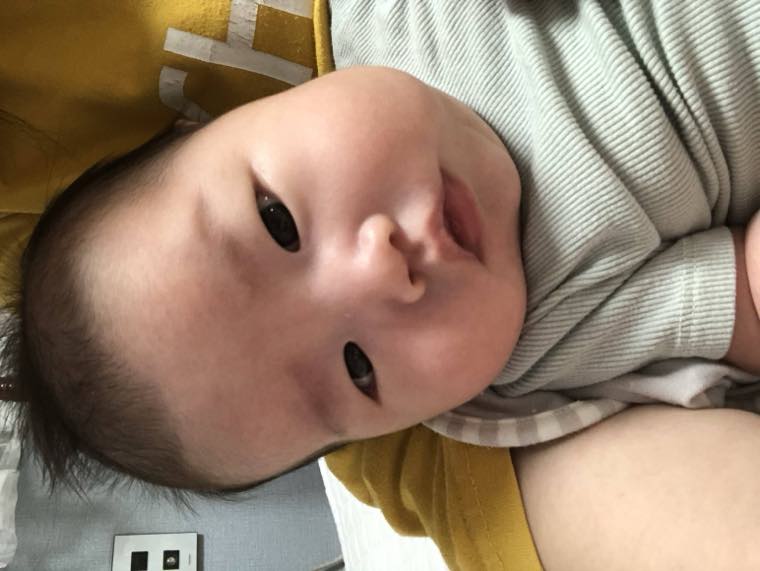
Watching your tiny baby go "hic… hic…" is adorable — but when it happens a lot, it's natural to wonder, "Is this okay?" Especially in the newborn weeks, it can happen several times a day.
First, the reassuring part. Newborn hiccups are usually nothing to worry about. They're a natural part of your baby's body growing and developing, and they typically stop on their own within a few minutes. Still, when your baby seems uncomfortable, there are a few gentle ways to help. Let's look at why hiccups happen, how to help them stop, and when it's worth checking with a doctor.
Why do newborns hiccup so often?
It's because the digestive system and the diaphragm — the muscle just below the lungs — are still immature. Even small triggers can make the diaphragm twitch, which brings on hiccups. That's why babies hiccup far more often than adults.
Common triggers include:
- Swallowing air along with milk during a feed
- Feeding too quickly, or taking in too much
- A sudden change in temperature, like getting a little cold
- Being hungry, or not having burped enough
So rather than a sign of illness, hiccups are closer to a natural reaction from a body that's still developing.
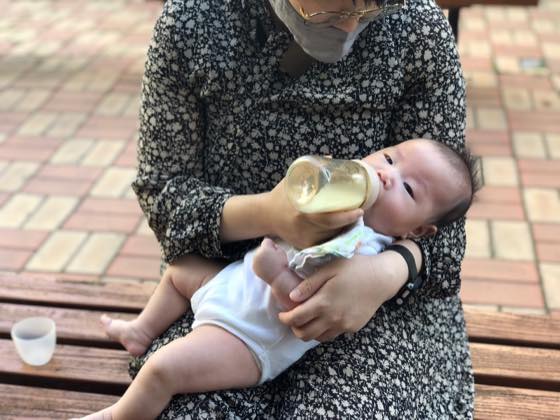
How to gently help hiccups stop
Most hiccups settle on their own within 5–10 minutes, but if your baby seems uncomfortable, you can gently try the following.
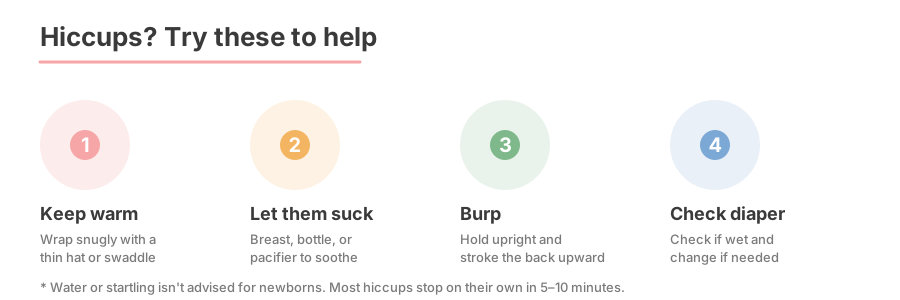
- Keep them warm: A change in temperature is often the cause. Put on a thin hat or wrap your baby snugly in a swaddle and hold them close.
- Let them suck: Offering the breast, a bottle, or a pacifier can help settle the rhythm of the diaphragm.
- Burp them: Hold your baby upright against your shoulder and gently stroke their back from the bottom upward. Releasing swallowed air often brings relief.
- Check the diaper: See whether they've wet it, and change it if it's damp.
Here's a quick summary.
| Situation | Try this | Avoid this |
|---|---|---|
| When hiccups start | Keep warm · let them suck | Giving water (not before 6 months) |
| After a feed | Burp, then hold upright for 10–15 min | Laying them down right after feeding |
| When they seem startled | Hold gently and soothe them | Startling them on purpose |
In other words, some of the methods adults often use are best avoided with a newborn. Giving water or startling your baby is not recommended for newborns. Water in particular is best avoided before 6 months of age.
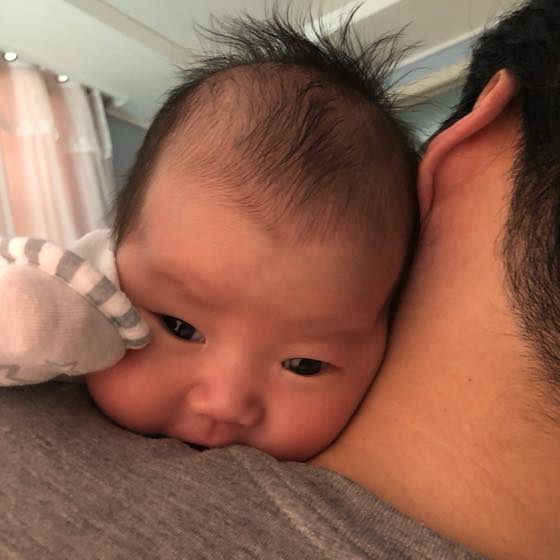
How can you reduce hiccups?
Helping hiccups happen less often in the first place is easier on your baby than stopping them once they've started.
- Feed slowly and in smaller amounts rather than all at once.
- Burp your baby during and after feeds to release swallowed air.
- Don't lay your baby down right after feeding — hold them upright for 10–15 minutes to aid digestion.
- If the nipple hole is too large, milk flows fast and your baby swallows more air, so use a nipple suited to their age.
Feeding pace and whether your baby burped are easy to forget after just a few days. Logging feeding times and amounts in Babyfolio can help you spot patterns — like which situations tend to bring on hiccups.
If you're wondering about typical feeding amounts and intervals, take a look at What to check when you're worried about your newborn's formula intake, feeding intervals, and weight gain too.
How long do hiccups last?
They're especially common in the newborn period and usually ease off noticeably from around 3–6 months, as the digestive system and muscles mature.
Once they start, hiccups usually stop on their own within 5–10 minutes. As long as your baby seems content in the meantime, there's often no need to rush.
When to see a doctor
Most hiccups are nothing to worry about, but if you notice any of the following signs alongside them, see your pediatrician.
- Hiccups that last unusually long (for example, more than an hour)
- Hiccups that keep your baby from feeding or sleeping well
- Arching the back strongly after feeds, or frequent spitting up
- A fever, or seeming unusually limp or listless
In these cases it may not be simple hiccups but something else, such as reflux, so it's worth having a professional take a look.
Frequently asked questions
Can I give a little water when my baby hiccups?
For babies under 6 months, it's best not to give water. Rather than offering water to stop the hiccups, try keeping your baby warm or letting them suck.
My baby hiccups in their sleep — should I wake them?
Most hiccups stop on their own even during sleep, so there's usually no need to wake your baby. If they don't seem particularly bothered, it's fine to leave them be.
Does frequent hiccupping mean there's a digestive problem?
Not necessarily — it's very common in newborns. That said, if hiccups come with frequent spitting up or trouble feeding, it's worth getting it checked.
In closing
Newborn hiccups are usually a natural sign that your baby is growing well. They typically stop on their own within a few minutes, and simply keeping your baby warm, letting them suck, and burping them can bring a lot of relief. Just steer clear of giving water or startling them.
If hiccups last a very long time, get in the way of feeding or sleep, and come with vomiting, that's when it's worth talking to your pediatrician. Otherwise, you can usually relax and enjoy watching your little one's tiny hiccups.
If your baby spits up or refluxes often, you may also find A guide to choosing formula for babies with colic and acid reflux helpful.