How to Trim Your Newborn's Nails Safely
Nervous about cutting your newborn's nails? Here's when to start, which tools are safe, how to trim without nicking the skin, what to do if it bleeds, and when to see a doctor.
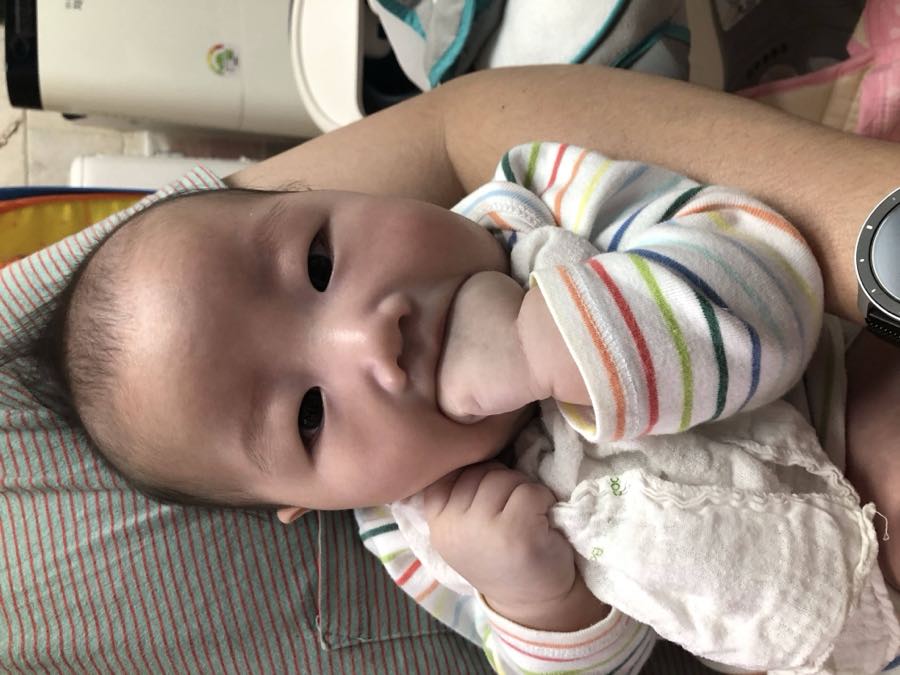
When you go to trim the nails on those tiny fingertips, your hand can start shaking before the scissors even get close — you're so worried about catching the skin. Many parents name newborn nail trimming as one of the scariest parts of caring for a baby.
First, the reassuring part. With a few simple pointers, you can trim your newborn's nails safely. Newborn nails grow faster than you'd expect and are very thin, so if you leave them, your baby can end up scratching their own face. Let's walk through when you can start, which tools are safe, how to trim without nicking the skin, and what to do if there's a little bleeding.
When can you start trimming a newborn's nails?
If they need it, you can trim from the newborn stage — there's no need to wait for a particular age. If the nails are long enough to scratch your baby's face, go ahead and tidy them.
Newborn nails grow quickly, so you'll usually check and trim them about once or twice a week. Toenails grow more slowly than fingernails, so they need trimming less often. Growth speed varies from baby to baby, though, so it's better to go by length than by a fixed number of times.
Which tools are safe?
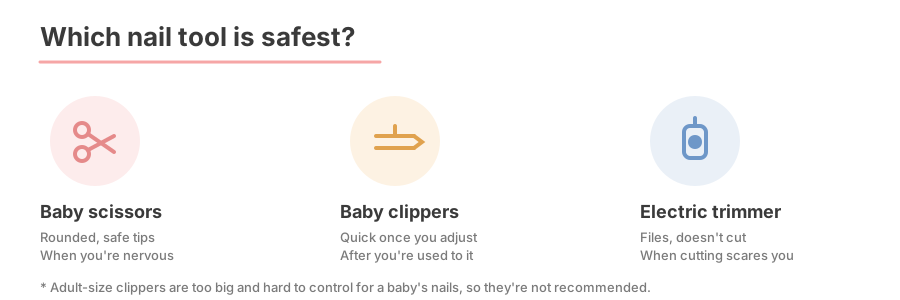
For newborns, rounded-tip baby scissors or baby nail clippers are safe choices. Adult-size clippers are too big for a baby's nails and hard to control, so they're not recommended.
Here's how the tools differ.
| Tool | What it's like | Good for |
|---|---|---|
| Baby scissors (rounded tips) | Easy to trim thin newborn nails bit by bit | Nervous first-timers |
| Baby nail clippers | Quick once you're used to them | Those with a bit of practice |
| Electric nail trimmer (files) | Files instead of cutting, so less risk of nicks | Those afraid to cut |
There's no single "right" tool. Whatever feels comfortable in your hands and keeps your baby still enough will work. Many parents find rounded scissors or a filing trimmer the most reassuring at first.
How to trim without nicking the skin
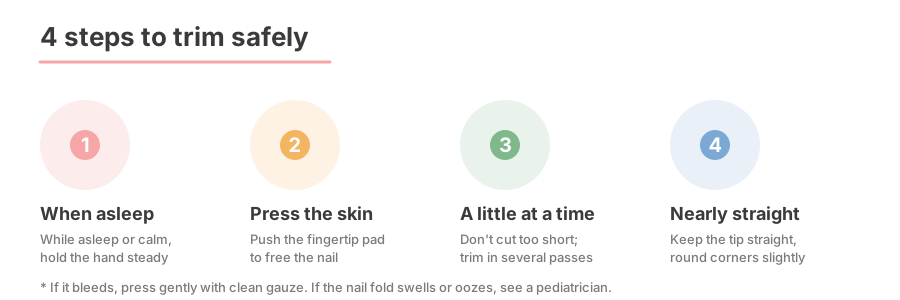
The key is simple: trim a little at a time, while your baby is still, keeping the nail separated from the skin.
- Do it while your baby is asleep or calm. A deep nap or the drowsy moment right after a feed works well.
- Gently press the fingertip pad down to create a small gap between the nail and the skin, so you don't catch the skin.
- Don't cut deep in one go — trim a little at a time over several passes. Cutting too short can hurt or lead to an ingrown nail.
- Work in good light, cupping your baby's hand in yours to steady it, and go slowly. Rushing tends to cause slips.
If it's hard to manage alone, having one person hold the baby while another trims works well too.
What shape should the nails be?
Trim fingernails nearly straight across, rounding just the corners a touch. Toenails are best cut straight across. Digging in deeply at the corners can lead to an ingrown nail as it grows.
Aim to tidy only the white part you can see beyond the fingertip — as long as you don't go into the pink skin underneath, that's plenty.
If there's a nick, or you're worried about scratching
If you catch the skin and it bleeds a little, try not to panic — it usually stops at home. Pressing gently with clean gauze or a soft cloth for a moment often stops it quickly. Avoid using a plaster (band-aid) on a newborn, since they could put it in their mouth or swallow it.
If trimming still feels scary, you can use mittens for a while to prevent scratching. That said, babies explore the world with their hands and bring them to their mouths as part of development, so it's better to use mittens only when needed rather than all day.
When to see a doctor
Most small nicks heal at home, but if you notice any of the following, see your pediatrician.
- The skin beside the nail is red and swollen, tender to the touch, or has pus
- The area gets worse over time, or there's a fever
- The bleeding doesn't stop easily
Swelling and pus beside the nail can be paronychia (an infection of the nail fold), and in that case it's better to have a professional check it than to wait and watch at home.
Frequently asked questions
Can I bite or file the nails instead of cutting them?
Biting them off isn't recommended, because of hygiene and the risk of injury. If cutting scares you, a filing electric trimmer is a good alternative.
Is it okay to keep mittens on all the time?
Using them briefly when scratching is bad is fine, but all-day use isn't recommended — babies develop their senses and motor skills by looking at, sucking, and touching their hands.
Do toenails need trimming as often as fingernails?
Toenails grow more slowly, so they need it less often. Go by length, and trim them straight across.
In closing
Newborn nail trimming is scary for everyone at first, but if you pick a moment when your baby is asleep, press the skin gently, and trim a little at a time, you can do it quite safely. Round the fingernails slightly and cut toenails straight. Even if there's a little bleeding, gentle pressure usually stops it.
If the skin beside the nail swells, oozes, and stays painful, that's when it's worth talking to your pediatrician. Logging the day you trimmed, along with any scratches or nicks, in Babyfolio makes it easier to keep track of your next trimming cycle and any changes in your baby's skin.
If your baby's skin is sensitive and you're also worried about scratching or rashes, you may find our guide to managing newborn heat rash helpful.