Fever after a baby's vaccination, what to do and when to see a doctor
A fever after a shot is unsettling. Post-shot fever and swelling are common and usually ease within a day or two. For 37.5–38℃, watch and give fluids; over 38℃, ask about a reducer suited to age and weight; cool the site. We lay it out in order — including the ibuprofen caution under 6 months and red flags like 39℃, 48 hours or a seizure that need prompt care.

You had the shot during the day, but by night your baby feels warm — and your heart sinks. "Is this normal? Should I give a fever reducer? Or go back to the clinic?" — your head fills up. A fever after a shot is something that often shows up as your baby's body responds to the vaccine and builds immunity, and most babies go through it at least once.
Let's get the big picture first. A fever or swelling at the injection site is the most common reaction, and it usually eases gradually within a day or two. So the order of care generally flows like this: for a low-grade fever, take the temperature and watch while offering fluids; if it climbs higher, use a fever reducer suited to your baby after checking with a professional; and if the site swells, apply something cool. We'll go through it by temperature band below.
That said, not every fever can simply be watched. A high fever over 39℃, a fever lasting more than two days, reactions like a seizure, trouble breathing or body-wide hives, and a fever in a baby under 3 months are signs to get seen rather than brushing off as a normal reaction. These criteria are gathered later in the article, so please be sure to check them.
Fever and swelling after a shot — why, and how long?
A fever after a shot is considered one of the body's normal immune responses to the vaccine. Most appear the day of the shot or the next day and settle within a day or two, and redness, swelling or soreness at the site is also a common reaction that usually eases within a few days.

You might worry a fever will always climb high, but in practice it often passes as just a low-grade one. Of course reactions vary from baby to baby — some get especially fussy or run a slight fever, while others pass through with little sign. So there's no need to be alarmed if "the baby next door was fine but only mine has a fever." What matters is looking at the height of the fever, your baby's overall condition, and how many days it lasts, together.
In what order should I respond to a fever?
When a fever appears after a shot, what you do depends on the temperature. Broadly: for a low-grade fever, watch and offer fluids; if it climbs higher, use a fever reducer suited to your baby after checking with a professional; and if the site swells, apply something cool. Let's take them one at a time.

1. 37.5–38℃: watch and offer fluids
For a low-grade fever, first take the temperature often and watch. Recheck every hour to see the trend, and offer more fluids than usual — breast milk, formula or water, whatever your baby can take. Rather than dressing too warmly or bundling in blankets, dress cool and light to help the heat escape.
2. 38℃ or higher: ask about a reducer suited to your baby
If the fever goes above 38℃ and your baby is uncomfortable, you can consider a fever reducer. But which medicine, how much, and how many hours apart varies by your baby's age and weight, so it's safer not to decide on your own — check with your pediatrician or pharmacist. Precautions about fever reducers tie directly to your baby's safety, so we've gathered them in detail in the next section.
3. If the site swells, apply something cool
If the injection spot looks red, swollen and sore, a gentle cold compress with something cold wrapped in a clean cloth can help. Don't rub or massage the swollen area. It's usually a reaction that settles within a few days.
Fever reducers: be sure to check these
Because fever reducers tie directly to your baby's safety, a few things are worth remembering. The key is not deciding the dose and interval on your own, and checking that the ingredient suits your baby's age.
For a baby under 6 months, ibuprofen-type fever reducers should not be used without a doctor's direction. At this age acetaminophen is often the main option, but even that has a different right dose for each baby. The dose and interval are set based on your baby's age and weight, so it's safer to confirm the exact amount under your pediatrician's or pharmacist's guidance before using it. Rather than picking a specific product yourself, we suggest deciding through a consultation.
One more thing: giving a fever reducer beforehand to prevent a fever after the shot is not recommended. There's a concern that giving it preventively may affect how immunity forms to the vaccine, and it's usually not needed anyway. Think of a fever as something you respond to when it actually appears, watching your baby's condition, rather than heading it off in advance.
What about a bath? After a shot, bathing is generally said to be fine. Just keep the site clean and avoid scrubbing hard, and if your baby is uncomfortable with the fever or seems off, it's okay to put the bath off until they're feeling better rather than pushing it.
What to do when the injection site swells
Swelling, redness and soreness to the touch at the injection spot are common reactions. They usually get better on their own within two or three days, and in the meantime, if your baby is uncomfortable, a few things can help.
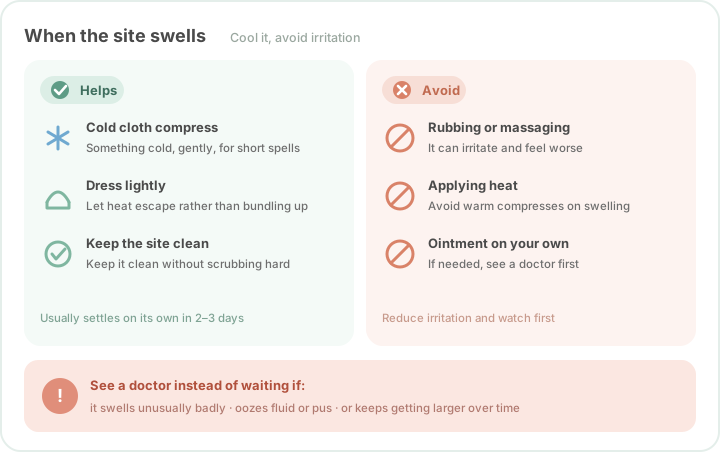
Applying something cold wrapped in a clean cloth to the site for short spells can help ease the swelling and pain. Conversely, avoid rubbing or massaging the swollen area with your hand — it can irritate and feel worse. That said, if the site swells unusually badly, oozes fluid or pus, or keeps getting larger over time instead of settling, don't brush it off as normal — get it seen.
When should I go to the doctor?
The most nerve-wracking part is probably "can I watch at home, or should I go back to the clinic?" A fever after a shot usually settles within a few days, but if you see the signs below, it's safer to get regular or emergency care rather than brushing it off as a normal reaction.
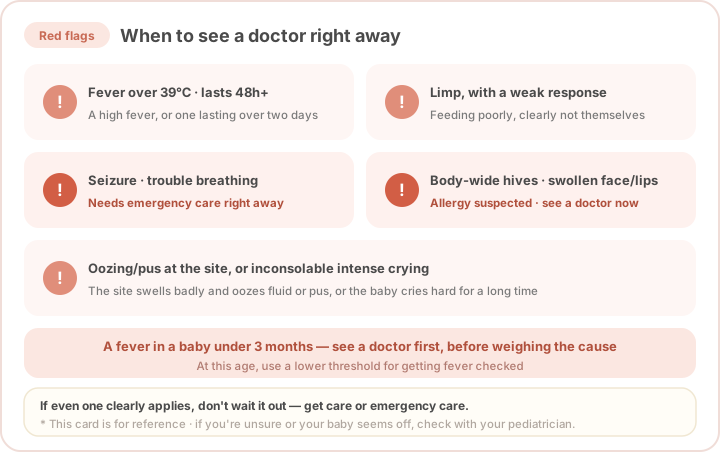
- A high fever over 39℃, or a fever that lasts 48 hours or more.
- Feeding poorly and going limp, or a weak response when woken and clearly not their usual self.
- A seizure or trouble breathing — this needs emergency care right away.
- A swollen face or lips and hives spreading over the body — a suspected allergic reaction — get seen immediately.
- The site swelling badly and oozing fluid or pus, or long, intense crying that can't be soothed.
- For a baby under 3 months with a fever, get them seen right away before weighing whether it's a vaccine reaction. At this age, use a lower threshold.
Sometimes it's hard to tell a post-shot fever from a fever due to another infection. For how to gauge and respond to a fever, teething or a cold? how to tell why your baby has a fever explains it around the 38℃ mark, so it may help to read alongside.
Care by temperature after a shot, at a glance
Here's a table of how to respond by temperature band. This is a reference to get your bearings; whether to use a reducer or see a doctor depends on your baby's condition, so when unsure, get advice.
| Temperature / state | What to do |
|---|---|
| 37.5–38℃ low fever | Check temperature every hour, plenty of fluids, dress cool and light |
| 38℃+ and uncomfortable | Use a reducer suited to age/weight after checking with your pediatrician or pharmacist |
| Swelling / pain at the site | Cold compress in a clean cloth, don't rub |
| 39℃+ or lasting 48 hours | Don't brush off as normal — get seen |
| Seizure / trouble breathing / body-wide hives | Emergency care immediately |
| Fever in a baby under 3 months | See a doctor right away, before weighing the cause |
Frequently asked questions
Is a fever after a shot normal?
A fever after a shot is a common sign of the body responding to the vaccine, and it usually settles within a day or two. But if it goes over 39℃, lasts more than two days, or your baby goes limp, it's hard to see it as just a normal reaction, so get them seen. Reactions vary from baby to baby, so when unsure we suggest a consultation.
Can I give a fever reducer before the shot to prevent a fever?
Giving it beforehand as prevention is not recommended. There's a concern it may affect how immunity forms to the vaccine, and it's usually not needed. Think of a fever as something to respond to when it actually appears, watching your baby's condition, rather than heading it off.
My baby is 6 months — can I use any fever reducer?
No. Which ingredient, how much, and how many hours apart vary by your baby's age and weight. In particular, under 6 months ibuprofen-type reducers shouldn't be used without a doctor's direction, and the exact dose is safest decided with your pediatrician or pharmacist.
Can I bathe my baby after a shot?
A bath after a shot is generally said to be fine. Just keep the site clean and avoid scrubbing hard. But if your baby is uncomfortable with the fever or seems off, don't push it — it's okay to wait until they're feeling better.
I'd also like to know when and what shots are given.
The standard immunization schedule and what's given at each stage are laid out in the baby immunization schedule at a glance. Reading it around the time of a shot helps with preparation.
To sum up
A fever and swelling at the site after a shot are common signs of your baby's body responding to the vaccine, and they usually settle within a day or two. Care generally flows in this order: for a low-grade fever, watch and offer fluids; if it goes above 38℃ and your baby is uncomfortable, use a reducer suited to them after checking with a professional; and cool the site rather than rubbing it.
Above all, remember that a reducer's dose and interval are set by age and weight, so confirm through consultation rather than deciding on your own, and that ibuprofen shouldn't be used in a baby under 6 months without a doctor's direction. And a high fever over 39℃, a fever lasting more than two days, a seizure, trouble breathing or body-wide hives, and a fever in a baby under 3 months are signs to get seen rather than brushing off as normal. Every baby is different, so when unsure, checking with your pediatrician is the most reassuring approach — better than deciding alone.