Teething or a cold? How to tell why your baby has a fever
When your baby has a fever and is fussy, it’s hard to tell teething from a cold. Drool, gums, and a low-grade fever point to teething; a fever over 38℃ with a runny nose, cough, vomiting, or listlessness points to infection. We cover a symptom comparison, the signs that aren’t teething, and the rule to see a doctor right away under 3 months.

When your baby drools nonstop and gnaws on everything, you might think, "Ah, teething is starting." But when they feel warm and get fussy, you start to wonder, "Could this be a cold?" The window from about 6 months to a year, when teething begins, is also when the immunity passed on from mom fades and minor illnesses pick up — so the two can easily look alike.
The first thing to keep in mind is how high the fever is. Teething can bring on drooling, swollen gums, biting on things, fussiness, and a slightly warm, low-grade temperature — but it is generally not thought to cause a true fever above 38℃ (100.4℉). On the other hand, when a runny nose and cough come with a fever of 38℃ or higher, it is more likely a sign of an infection like a cold. So before brushing it off with "the fever must be from teething," look at how high the fever is and whether other symptoms are present too.
There's also a safety line worth remembering. If a baby under 3 months has a fever, they should be seen right away, before you try to figure out the cause. Even after that, if a fever of 38℃ or higher comes with listlessness or poor feeding, it's best to check with your pediatrician. We'll walk through how to tell teething apart below.
Teething vs. a cold: how do the symptoms differ?
The key that separates the two is where the symptoms show up. Teething tends to cluster around the mouth — drool, gums, and the area around the lips — while an infection like a cold tends to spread through the whole body, with a runny nose, cough, fever, and digestive symptoms. Seeing where the symptoms gather makes it much easier to get a sense of the direction.

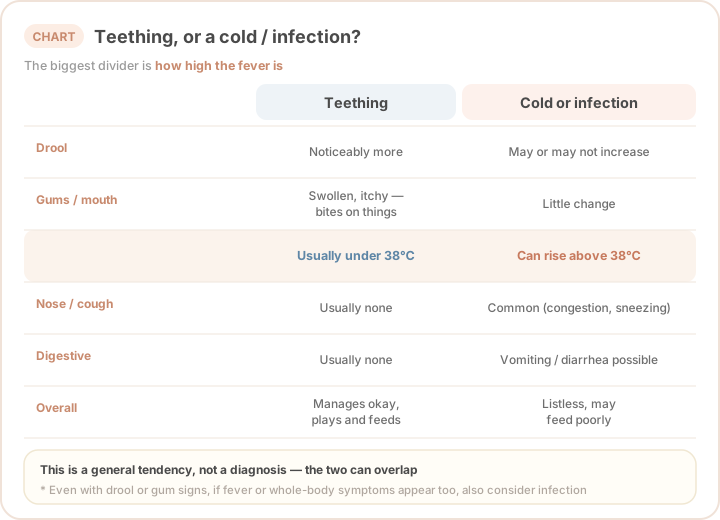
| Area | Often seen with teething | Often seen with a cold / infection |
|---|---|---|
| Drool | Noticeably more; chin and chest often wet | May or may not increase |
| Gums / mouth | Gums swell and itch, so baby bites on things | Little change |
| Fever | Slightly warm, low-grade, usually under 38℃ | Can rise to 38℃ or higher |
| Nose / cough | Usually none | Runny nose, congestion, cough, sneezing common |
| Digestive | Usually none | Vomiting or diarrhea may come along |
| Overall | Fussy but manages to play and feed | Listless, may feed less than usual |
| Other | Tugging at the ear/cheek on one side, rash around the mouth, restless sleep | Sore throat, eye discharge, warmth — spreading over the body |
As the table shows, teething brings mostly local signs around the mouth, while infection spreads widely to the nose, throat, belly, and whole body. That said, because the teething window overlaps with the minor-illness window, the two can arrive at the same time. So rather than deciding "drool and fussiness must mean teething," always check whether a fever and other whole-body symptoms are present too.
Whether the fever tops 38℃ is the biggest fork in the road
Of all the signs, the one that most sharply divides the direction is how high the fever is. Teething can raise the temperature only to a slightly warm, low-grade level, and a fever above 38℃ is hard to explain by teething alone — this is a point commonly made across pediatric sources, including the American Academy of Pediatrics. A high fever means you should be looking for another cause along with the teeth.
Temperature is usually read like this (based on an underarm reading): 37.3℃ and up is low-grade, 38℃ and up is a fever that warrants a check, and 39℃ and up is a high fever. A baby may run slightly warmer than usual with teething. But if the thermometer reads 38℃ or higher, it's better not to write it off as teething. Watching and waiting with "it's probably the teeth" can mean missing the early stage of an infection, which can leave your baby feeling worse.
Let's clear up one misconception here. Saying "it's fine to have a fever because it's teething" is not a safe rule of thumb. Precisely because teething itself doesn't produce a high fever, a high fever is closer to a sign that you should look for another reason. We cover this in more detail in common myths about teething →.
There are signs teething wouldn't cause
The symptoms below aren't well explained by teething alone. If you see them, don't chalk them up to teething — consider that it could be an infection or another cause, and take a closer look. If several overlap or your baby seems especially unwell, check with your pediatrician.
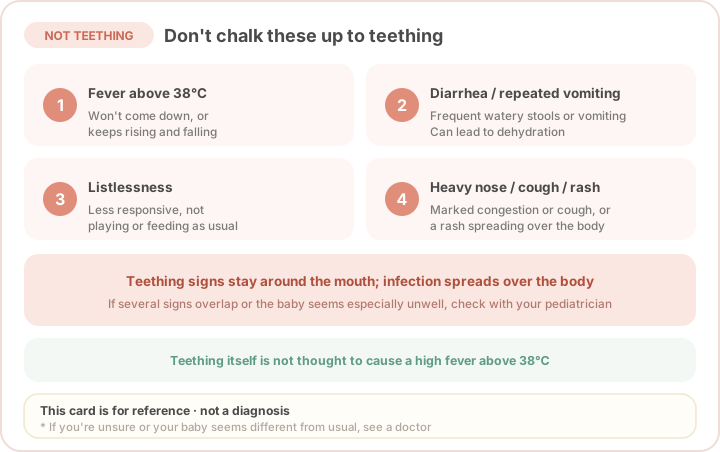
1. A fever above 38℃, or one that won't come down
As noted, a fever of 38℃ or higher is hard to attribute to teething alone. If a fever lasts more than a day, or keeps rising and falling, it's worth checking for a separate cause.
2. Diarrhea or repeated vomiting
Slightly looser stools from swallowing a lot of drool are different from true diarrhea. If watery stools are frequent or your baby keeps vomiting, think about a digestive infection rather than teething. It deserves extra care because it can lead to dehydration.
3. Listlessness, or not playing and feeding as usual
A teething baby is usually fussy but still plays and feeds. On the other hand, if your baby is noticeably droopy, less responsive, and can't feed or sleep well, that's hard to see as teething alone.
4. A heavy runny nose or cough, or a rash over the body
A marked runny nose, congestion, or cough, or a rash spreading over the whole body, points more toward infection. The range is different from the small rash around the mouth that teething can bring.
When should you see a pediatrician?
The most confusing part is "can I watch at home, or do I need to go in?" It's hard to draw a hard line, but using your baby's age, the height of the fever, and their overall condition as a guide helps. If you see the signs below, seeing a doctor first — rather than debating whether it's teething — is the safer path.
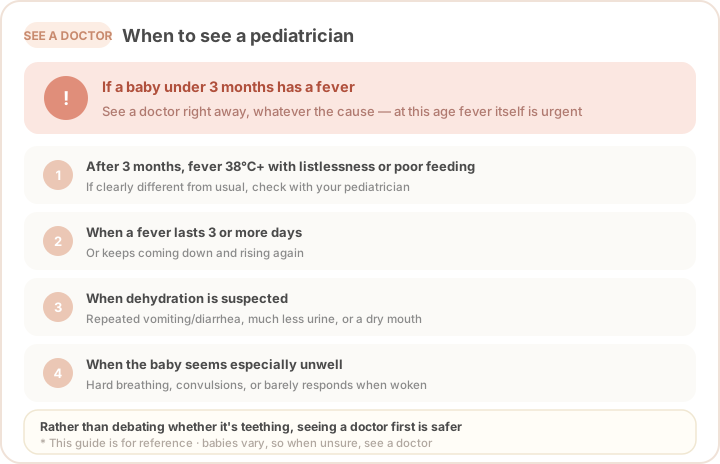
- If a baby under 3 months has a fever, see a doctor right away, whatever the cause. At this age, fever itself is treated as urgent.
- Even after 3 months, if a fever of 38℃ or higher comes with listlessness, poor feeding, or being clearly different from usual, check with your pediatrician.
- When a fever lasts 3 or more days, or comes down and rises again repeatedly.
- Repeated vomiting or diarrhea, noticeably less urine, or a dry mouth — when dehydration is suspected.
- When your baby seems especially unwell — hard breathing, convulsions, or barely responding when woken.

How you tell fevers apart and respond also connects to seasonal infections. For distinguishing a summer cold from symptoms that look like a chill from too much air conditioning, see air-conditioning chill or summer cold? telling your baby's symptoms apart →. In any case, rather than using fever reducers or home remedies on your own, when a fever is high or your baby seems unwell it's best to decide on a plan together with your pediatrician.
Frequently asked questions
Is a slight fever during teething okay to leave alone?
If it's a slightly warm, low-grade temperature and your baby is playing and feeding as usual, you can dress them lightly and keep an eye on things. But if the thermometer reads above 38℃ or there are signs of listlessness, it's safer not to write it off as teething and to check instead. Babies vary, so when it's unclear, we suggest asking your pediatrician.
Can teething and a cold come at the same time?
Yes — because the timing overlaps, they can arrive together. So it's better not to rule out an infection just because there are drool and gum symptoms. If a fever and whole-body symptoms are present too, consider that the two may have overlapped and take a closer look.
Can drool make stools looser?
Swallowing a lot of drool is sometimes said to make stools softer than usual. But if watery stools are frequent or the number rises sharply, it may be a digestive issue rather than teething — watch alongside signs of dehydration, and see a doctor if it's severe.
Can I give a fever reducer?
Whether to use medicine when there's a fever, and which one and how much, depends on your baby's age and condition, so it's hard to decide on your own. Especially with younger babies, it's safest to decide together with your pediatrician or pharmacist.
To sum up
Teething can bring drooling, swollen gums, biting on things, fussiness, and a slightly warm low-grade temperature — but a true fever above 38℃, or a runny nose, cough, vomiting, diarrhea, or listlessness, is hard to explain by teething alone. That's why looking at both how high the fever is and whether other whole-body symptoms are present is the key to telling them apart.
Above all, a fever in a baby under 3 months should be seen right away, before figuring out the cause. Even after that, if a fever of 38℃ or higher comes with listlessness or suspected dehydration, check with your pediatrician. The point is not to miss an infection by self-diagnosing "it's probably the teeth." Babies vary, so when it's unclear, seeing a doctor rather than deciding on your own is the most reassuring path.