Newborn baths before the cord falls off: from sponge bath to tub bath
Before the cord falls off, use a sponge bath rather than a tub bath; once it is off and the navel heals, switch to tub baths. We cover when to switch, water temperature, frequency and time, and safety.

Washing a tiny baby whose umbilical cord is still attached can make you nervous from the very first splash of water. "I heard the navel shouldn't get wet, so how am I supposed to wash the baby?" is usually the first worry that comes up.
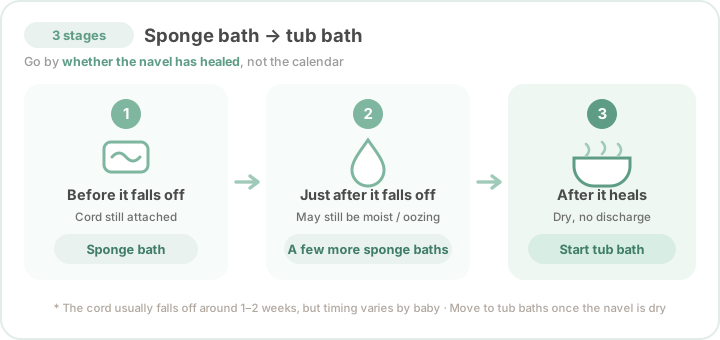
Here's the short version first: before the cord falls off, wash with a sponge bath (partial bath) rather than a tub bath. You wipe the baby part by part with a warm washcloth or sponge. Once the cord falls off and the navel heals dry with no discharge, you switch to tub baths. The cord usually falls off around 1–2 weeks, but the timing varies from baby to baby.
You don't need to be terrified of water lightly grazing the navel. The point is simply not to soak it, and to gently dry it well when it does get wet so it stays clean and dry. Below we'll go step by step through how to give a sponge bath, when to switch to tub baths, guide numbers like water temperature, and how to wash safely.

Why avoid tub baths before the cord falls off?
A navel with the cord still attached is a bit like a healing wound. Soaking it for a long time keeps it from drying, and staying damp can get in the way of healing. That's exactly why a sponge bath, rather than a tub bath, is recommended before the cord falls off. The idea is to keep the navel out of the water as much as possible, and easy to dry quickly if it does get wet.
That doesn't mean you can't wash the whole body. The face, neck folds, underarms, hands and feet, and the diaper area can all be wiped thoroughly with a warm washcloth. You just take care that water doesn't pool around the navel. It helps to think of it as "putting off the soaking bath for now and replacing it with a wiping bath."
How do you give a sponge bath?
A sponge bath means washing the baby part by part while they lie down, without putting them in a tub. Deciding on an order in advance lets you wash quickly and safely, so the baby doesn't stay cold for long.
1. Set up the space and supplies first
Before you start, gather everything you need within arm's reach: a basin of lukewarm water, a couple of soft washcloths or gauze pieces, a dry towel, a change of clothes and a fresh diaper, and a mild baby cleanser if you use one. Once you begin, you'll want to finish without taking your hands off the baby, so preparing ahead so you never have to step away for something is important. Warm the room in advance, and choose a spot out of direct drafts.
2. Wipe top to bottom, cleanest areas first
Soak a washcloth in lukewarm water and wring it well, then start with the face. Wipe each eye once, from the inner corner outward, using water only with no cleanser. Then move down: behind the ears and neck folds, arms and underarms, chest and tummy, back, and legs. Sweat and residue collect in the skin folds, so wipe there with extra care. Wipe the diaper area last, front to back.
Pat each spot dry with a towel as you go so the baby doesn't get cold. If you used a cleanser, wipe once more with a washcloth so none is left behind.
3. Don't soak the navel; dry it if it gets wet
Take care that water doesn't pool around the navel, but you don't need to fear a light graze of water. If water does touch it, gently press with soft gauze or a dry towel to remove the moisture. Don't rub or force off any scab; it's better to let it dry as it is. Folding the diaper so it doesn't cover the navel lets air circulate and helps it dry.
You don't have to apply any particular antiseptic or powder. Care instructions can vary a little from hospital to hospital, so follow the guidance you were given and focus on keeping the navel clean and dry.
When can you start tub baths?
The cue for switching to tub baths isn't a date but the state of the navel. Once the cord has fallen off and the spot has healed dry with no discharge, you can start soaking baths in a tub. The cord usually falls off within 1–2 weeks, but plenty of babies are a bit earlier or later, so checking with your eyes that the navel has healed is more reliable than "it's been a few days, so it must be fine."
Right after the cord falls off, the inside of the navel may still be moist or show a little discharge. In that case, continue sponge baths for a few more days and wait for it to dry well, then move to tub baths once you've confirmed it has healed cleanly. Rather than rushing, soaking only after the navel is clearly dry is more reassuring.
Guide numbers: temperature, frequency, and time
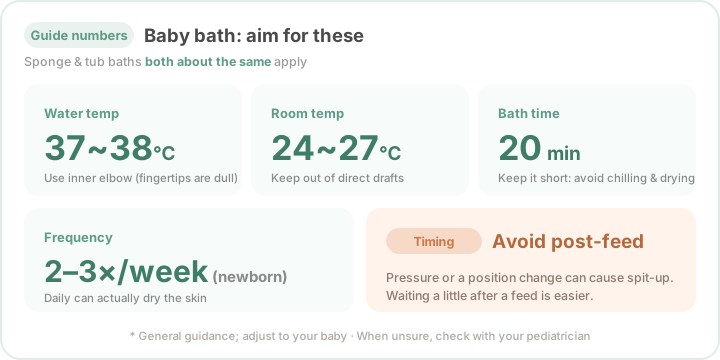
More often and longer isn't better when it comes to baths. Newborn skin is thin and dries out easily, so it's better to know the guide numbers and keep baths short and moderate. Whether it's a sponge bath or a tub bath, the numbers below apply about the same.
Water temperature around 37–38°C is about right. If you don't have a thermometer, dip the inside of your elbow to check that it's "warm but not hot." Fingertips are dull and can find even hot water tolerable, so measuring with the more sensitive elbow is safer. Keep the room warm at about 24–27°C, and keep the whole thing to about 20 minutes from undressing to finishing, with time in the water as short as you can manage.
For newborns, 2–3 times a week is plenty. Bathing every day can actually dry out the skin. On days with lots of sweat or a dirty diaper area, you can just spot-wash that part. And it's better to avoid bathing right after a feed: pressure on the tummy or a change in position can bring up what they've eaten, so washing a little while after a feed is easier.
| Guide | Recommended range | Notes |
|---|---|---|
| Water temp | 37–38°C | Check with inner elbow; fingertips are dull |
| Room temp | 24–27°C | Keep out of direct drafts |
| Bath time | About 20 min | Keep it short to avoid chilling and drying |
| Frequency | 2–3×/week (newborn) | Daily can actually dry the skin |
| Timing | Avoid right after a feed | Prevents spit-up; wait a little |
Is it really okay if water touches the navel?
This is the most confusing point, so let's take it separately. Many people believe "water must never touch the navel," but more precisely it means avoiding a long soak, not that a single drop is off-limits. If water lightly grazes it during a sponge bath, just gently press the spot dry. What really matters isn't whether it got wet, but whether you dry it well afterward and keep it dry.
Tub baths, on the other hand, wait until the navel has healed. Soaking the body in a tub keeps the navel submerged for a long time, so it doesn't dry well. Splitting "touching" from "soaking" makes it less confusing: before the cord falls off, a graze is fine but no soaking; after it heals, soaking is fine.
If your baby strongly dislikes bathing itself and it turns into crying every time, that may be a different issue from how you wash. We've put together how to soothe a baby who fears baths in Baby hates baths: how to soothe them. If getting the room temperature right is hard, see the right room temperature for babies and how to use air conditioning too.
Two safety musts for every bath
Before method comes safety. Please remember just these two, which matter most for bathing.
First, water temperature. A baby's skin is thinner than an adult's, so a temperature that feels right to you can be hot for the baby. Rather than running hot water and adjusting with cold, always check the temperature with your elbow after filling, then place the baby in. Lowering your water heater's temperature in advance reduces the chance of a sudden burst of hot water. Burns can happen in an instant, so checking every time is the safe habit.
Second, never leave the baby alone, not even for a few seconds, during a bath. A baby can get into danger in a moment even in shallow water. If the phone rings or you need to grab something, wrap the baby in a towel, hold them, and move together. That's exactly why having everything ready in advance matters. "It's just a second, it'll be fine" is the most dangerous thought.
See your pediatrician if you notice these signs
The navel usually heals without trouble, but the signs below can point to an infection rather than a normal part of healing. In that case, rather than watching at home, please see your pediatrician.
- The navel or surrounding skin is red and swollen and hurts when touched
- There is ongoing discharge or pus, or a foul smell from the navel
- Bleeding that won't stop and keeps oozing
- The baby develops a fever, or is more limp than usual and feeding poorly
A fever alongside these makes it safer to check sooner. For reference, how to disinfect the navel and how to handle issues that arise during healing (such as an umbilical granuloma) are beyond the scope of this article, which focuses on navel care you meet during bathing. If you're curious about detailed navel care, it's a good idea to ask at your visit.
Frequently asked questions
How long after birth is the first bath?
Rather than rushing to wash right after birth, the first bath is often given a few hours later, once the baby's temperature and condition have stabilized. Your birthing hospital or postpartum center will give you guidance, so follow that. Once you're home, wash with a sponge bath or a tub bath depending on whether the cord has fallen off.
The cord isn't falling off as soon as I expected. Is that okay?
Timing varies from baby to baby, so it's common for it to be a little later than 1–2 weeks. If the navel is drying cleanly with no warning signs like redness, swelling, discharge, pus, or odor, you can wait a bit longer. But if the delay comes with the warning signs mentioned above, have it checked at a visit.
Do I have to use a cleanser (soap)?
You don't need a cleanser every time. Newborns can often be cleaned with water alone, and if you do use one, a small amount of a mild baby-specific product rinsed off well is best. Leftover cleanser can irritate or dry the skin.
What should I do after a bath?
Pat dry rather than rubbing with the towel. Dry the folds especially well, like the neck, underarms, and groin, along with around the navel, so no moisture is left. If the skin is dry, a mild moisturizer helps. If the nails have softened after the bath, this is also a good time to trim them short.
My baby cries hard at every bath. Should I skip baths?
Fearing or crying at baths is common, so there's no need to stop washing. Adjusting the water temperature, room temperature, and washing order little by little to what the baby finds comfortable often helps. We cover specific soothing methods in more detail in soothing a baby who hates baths.
To sum up
While the cord is still on the navel, wash with a sponge bath using a warm washcloth rather than soaking in a tub. Once the cord falls off and the navel heals dry with no discharge, switch to tub baths. The cord usually falls off around 1–2 weeks, but timing varies from baby to baby, so checking with your eyes that the navel has healed is more reliable than counting days.
Use 37–38°C water, a 24–27°C room, about 20 minutes, and 2–3 times a week as your guide, and avoid bathing right after a feed. Above all, the two most important things are checking the water temperature every time, and never leaving the baby alone even for a few seconds. If the navel is red and swollen, or there's discharge, pus, or a foul smell along with a fever, it's safer to have it checked by your pediatrician than to wait and watch. This article is general information and isn't a substitute for your baby's individual care. When you're unsure, please consult your pediatrician.