Summer Stroller Heatstroke Prevention Checklist | Before, During, and After — Just These
We've laid out the safety rules for preventing heatstroke when you go out with your baby in a stroller in summer, split into before, during, and after the outing, all in a single checklist. We cover why a sealing cover is dangerous, how to check the temperature inside the stroller, and the warning signs that mean heading to a doctor right away.
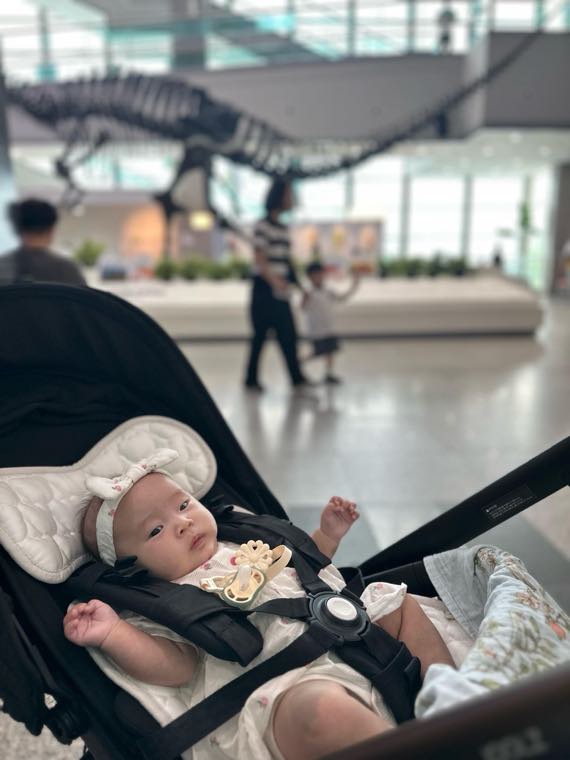
When you head out with your baby in a stroller in the height of summer, part of you is always on edge. "Is it okay to take them out in this heat? How hot does it get inside the stroller? How do I block the sun?" The younger your baby, the bigger the worry tends to be.
Here's the big picture in short. The keys to a summer stroller outing are three: avoid the hottest midday hours, keep air flowing through the stroller, and check on your baby often. In particular, the common move of "draping a thin cloth over it makes shade, so it'll be cooler" can be the opposite of true. The cloth blocks the airflow and makes the inside of the stroller even hotter.
Below, we lay out why summer strollers deserve special care, and what to prepare before, during, and after an outing — all in a single checklist. We've also included the warning signs that your baby is struggling and the cues for when to see a doctor. Every child feels the heat differently, so please take this as a reference, and if you're worried about your baby's condition, seek care.
Summer strollers: why they deserve special care
Here's the first thing worth knowing. Babies are far more vulnerable to heat than adults. They have a large surface area relative to their body, so they take in outside heat quickly, and their ability to release heat through sweat is still immature. So weather an adult can tolerate can be a strain on a baby. Roughly from around 27°C (81°F), babies start to feel the heat, and midday outdoors above 32°C (90°F) is an environment to be especially careful in.
On top of that, the stroller adds one condition of its own. A stroller sits low, close to the ground. In midsummer, asphalt and paving blocks heat up and radiate that heat upward, and the height of a stroller can be far hotter than an adult's face height. It means that even when an adult feels cool, the spot where the baby is seated may not be.
Above all, heatstroke in babies can progress quickly. It may start with just a bit of fussing, but within a short time they can go limp and take a turn for the worse. So rather than brushing it off with "it's only a little hot," the surest prevention is to avoid hot hours and hot environments from the start and to check on your baby often. For reference, young babies under 6 months old are best kept out of direct sunlight altogether.
Before the outing — sort these out before you head out
Just checking a few things before you step out the door brings a lot more peace of mind. With summer outings, half of it is already decided by the prep before you leave.
- Check the timing first. It's best to avoid the hottest part of the day, between 11 a.m. and 3 p.m., as much as you can. If you really must go out, try shifting to early morning or around dusk.
- Dress them thin and breathable, and a brimmed hat is a must. One thin layer of cotton that wicks sweat well is enough. Don't pile on too many layers, and put a wide-brimmed hat on them to block the sun.
- Prepare water or feeds in advance. On hot days, they need more fluids than usual. If your baby breastfeeds or takes formula, get ready to feed; if they're old enough for water, bring water so you can give small amounts often.
- Make use of the stroller hood and a breathable parasol. Open the stroller's canopy (hood) fully, and use a breathable parasol or UV-blocking fabric alongside it. But don't prepare the "sealing cloth cover" we'll explain later.
- Check in advance whether your destination has shade or indoor spots. Mapping out a route with shade to cool off along the way and indoor spaces or cafés to duck into makes things far more relaxed.
If you're unsure how to block the sun safely, we've laid it out in more detail in Summer strollers: shade the sun like this.
During the outing — keep watching airflow and temperature
Even after you're out, it helps to keep a few things in mind. The two most important things on a summer outing are "keeping air flowing" and "checking on your baby often."
The first thing I want to stress is not covering the stroller completely with a thin cloth. Many people drape a blanket or handkerchief over the stroller to block the sun, but this blocks the path of the air and can raise the inside temperature dramatically. In fact, there's been news of an experiment in which the inside of a stroller, about 22°C (72°F) before a thin cloth was draped over it, rose to about 34°C (93°F) within 30 minutes and up to about 38°C (100°F) an hour later. It's a value from a specific day and specific conditions, so it isn't always reproduced the same way, but the direction is clear: a cover that blocks airflow traps heat. It means that even though it looks shaded and cool on the outside, the inside can become a steam bath. We covered this point in more depth in A cloth cover on the stroller: it can be dangerous even when it looks cool.
Beyond that, keep an eye on these while you're walking.
- Take the shaded paths. Even over the same distance, routing along the side with tree shade or where buildings cast shadows changes how hot it feels dramatically.
- Check the temperature inside the stroller with your hand. Now and then, put your hand inside the stroller. If the seat feels warm or the air is muggy, move to shade or step indoors briefly to cool it down.
- Avoid heated ground. Places with strong radiant heat — a midday asphalt parking lot, a crosswalk, a concrete plaza — are best passed through quickly rather than lingered in.
- Give fluids in small amounts, often. A little often is better than a lot at once. Even if your baby doesn't seem thirsty, offer more often than usual on a hot day.
- Watch your baby's face, neck, and back often. Check whether the face is unusually red or, conversely, pale, and whether the nape and back are drenched in sweat or, conversely, the body is hot but not sweating.
After the outing — settle their body temperature back down
Wrapping up after you get home or indoors matters too. It's the stage of gently bringing down the body temperature that rose outside.
- Loosen their clothing in a cool place. Come into a cool indoor space, take off the outer layer or hat, and if they've sweated, change them into dry clothes so their body cools down calmly.
- Replenish fluids. Make up for the fluids they lost with a feed or water.
- Check their condition once more. If they play well and eat and sleep as usual, they've generally come through fine. Conversely, if they go limp, keep fussing, or stay warm to the touch, check the warning signs below.
As long as you take care that the air conditioner's draft doesn't hit your baby directly for long, slowly settling their temperature in a cool indoor space is best.
Summer stroller safety, on a single sheet
We've gathered what to prepare before, during, and after an outing so you can see it at a glance. We've added check boxes too, so you can skim it before you head out.
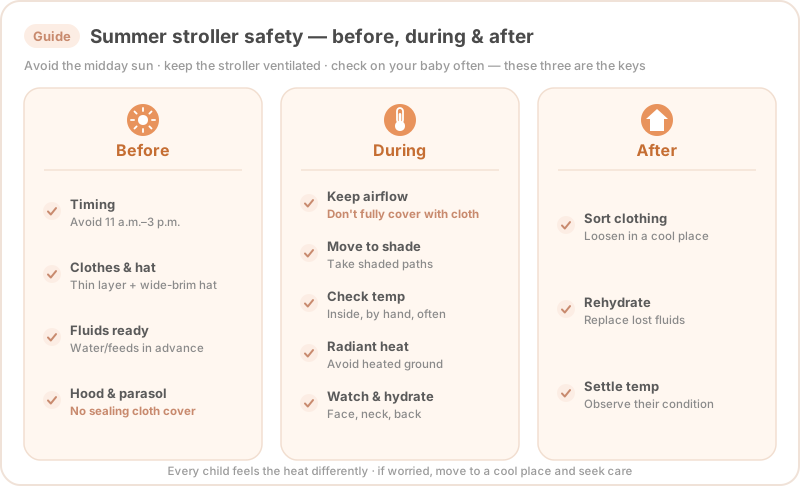
| Stage | Check item | Done |
|---|---|---|
| Before | Avoid the hot midday hours (11 a.m.–3 p.m.) | ☐ |
| Before | One thin, breathable layer + a wide-brimmed hat | ☐ |
| Before | Prepare water/feeds in advance (to give small amounts often) | ☐ |
| Before | Ready the stroller hood/breathable parasol (no sealing cloth cover) | ☐ |
| Before | Check the destination's shade/indoor route | ☐ |
| During | Don't cover the stroller completely with cloth (keep airflow) | ☐ |
| During | Take the shaded paths | ☐ |
| During | Check the temperature inside the stroller by hand, often | ☐ |
| During | Avoid strong radiant-heat surfaces like heated asphalt/parking lots | ☐ |
| During | Fluids in small amounts often + watch face/neck/back often | ☐ |
| After | Loosen clothing in a cool place / change into dry clothes | ☐ |
| After | Replenish fluids and observe their condition | ☐ |
If you see these signs, act right away and seek care
This is the most important part of a summer outing, so we've gathered it separately. These are signs that can appear when your baby is struggling with the heat. Just keep the items below in mind.
- The face turns unusually red, or conversely goes pale
- The body is hot but they're limp and slow to respond
- They fuss severely, or conversely go floppy and keep dropping off to sleep (lethargy)
- They can't feed well, or they vomit
- The amount of urine drops noticeably, so dehydration is suspected
If you see these signs, first move to shade or a cool indoor space, take off the outer layer to cool the body, and try giving small amounts of fluid. If their condition still doesn't improve, or limpness, vomiting, or reduced responsiveness continues, seek care without delay. As mentioned earlier, heatstroke in babies can progress quickly, so when it feels ambiguous, it's safer to seek help sooner.
In particular, for young babies under 3 months old, don't brush off a rising temperature itself lightly. Babies at this stage can change condition quickly, so if there's a fever, it's better to seek care promptly rather than wait for other symptoms.
Frequently asked questions
Q. Wouldn't attaching a portable fan to the stroller keep them cool?
Using it briefly here and there can help, but fixing it in one spot and blowing air for a long time isn't advised. If hot air keeps hitting them, it can actually dry out their fluids faster and dry out the skin. Use it only briefly, enough to aid airflow, and keep it from pointing directly at your baby's face for long. It's also good to check that it has a design where fingers can't reach the fan.
Q. Is it okay to lay an ice pack or cooling mat in the stroller?
If something cold touches your baby's body directly for a long time, it can be too cold. Even if you use one, wrap it in a thin cloth and place it toward the bottom under the seat so it doesn't touch the baby's skin directly — that's the safer approach. Above all, rather than leaning on cooling gadgets, timing, airflow, and fluids come first.
Q. On a cloudy day, is it okay to go out at midday?
Even with cloud cover, if the temperature and humidity are high, the heat burden can still remain. UV may weaken a bit, but the heat itself doesn't disappear. On cloudy days too, watch the temperature inside the stroller and your baby's condition just the same.
Q. My baby fell asleep in the stroller but looks hot. Should I wake them?
There's no need to go out of your way to wake a well-sleeping baby, but their temperature can rise even while they sleep. Move to shade, loosen the outer layer, and then check now and then whether the face is red or the body is warm. If they're drenched in sweat or look limp, check on them in a cool place.
To wrap up
The keys to a summer stroller outing are three: avoid the hot midday hours, keep air flowing through the stroller, and check on your baby often. In particular, covering the stroller with a thin cloth can raise the inside temperature dramatically even when it looks cool, so avoid sealing covers. Before you leave, sort out timing, clothing, a hat, fluids, and the hood; while walking, take shaded paths and check airflow and temperature; and when you get back, loosen clothing in a cool place, replenish fluids, and settle their temperature down. And if you see signs like a change in facial color, limpness, severe fussing or lethargy, inability to feed or vomiting, or reduced urine, cool them down right away and seek care. If your baby is under 3 months old, it's safer to head to a doctor promptly on fever alone.
A cloth cover on the stroller: it can be dangerous even when it looks cool
Summer strollers: shade the sun like this